


Disposable labour, purchasable recognition: Malaysia’s Myanmar returns and the hierarchies of the Global South[
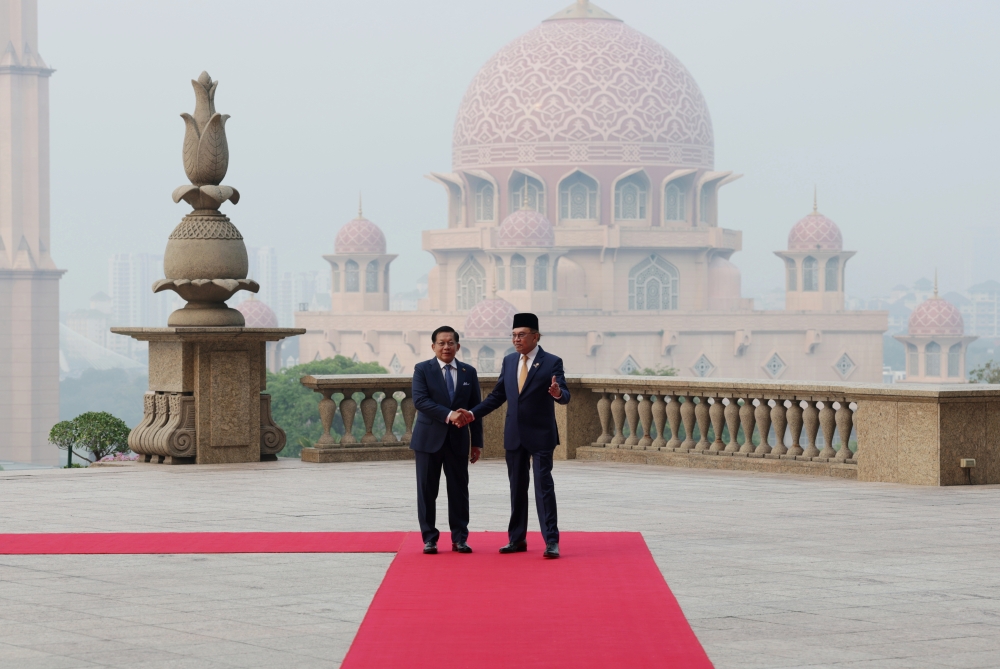
Aniello Iannone examines Malaysia's repatriation of Myanmar nationals, revealing how domestic labour demands and diplomatic trades deeply intersect. Rather than a purely humanitarian effort, these returns function as an administrative mechanism to manage a disposable migrant labour reserve through deportability. By trading diplomatic recognition of the military regime for refugee acceptance, Kuala Lumpur replicates unequal core-periphery dynamics within the Global South. Ultimately, this study illustrates how institutionalized paralyzed regionalism forces complex transnational migration crises into opaque bilateral state bargains today.