
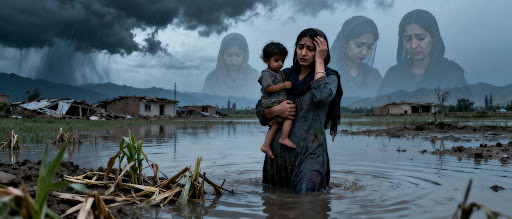
“Women are the first to suffer from climate change, and often the last to be heard.”
– UN Women
Climate change is a problem of the present. In many parts of the world, it is an escalating problem. Rural communities and agricultural societies that depend upon natural resources and reliable weather patterns for their lives are one of the most vulnerable communities. Women in climate-vulnerable communities, especially in low-income countries like Pakistan, are greatly affected by climatic shocks. Food, water and family security are at risk at an unprecedented scale due to the raging temperatures causing damage which has never been seen before. The floods and erratic seasons are intensifying drought. But besides that, climate change is causing mental damage.
Studies show that post-traumatic stress disorder (PTSD), suicidal thoughts, and altering in groups or communities as families and communities are uprooted and put under strain due to the recurring environmental shocks that they endure. Women get more responsibility for the collection of water, management of food, and caring for family. So, every day they go through thick and thin from a drought or flood. A mental health concern makes headlines during a pandemic or global economic crisis. Stress is a common problem area. But a recent article in The Conversation provides important insight: these feelings are not new.
Those most affected have felt the need for mental health support for a long time. As they have scant access to care, few financial resources, and a lifetime of social conditioning that compels them to endure pain and suffering, most rural women must struggle with anxiety, depression and trauma alone. Also, traditional, extended family support networks are slowly breaking down, which is affecting them too. Climate change is primarily likely to be an issue of human emotions and mental status. There must be a recognition of this social mental health dimension by the decision-makers and community. This is essential for building resilience as well as adaptation, survival and justice to be successful.
A Global Pattern, A Gendered Burden
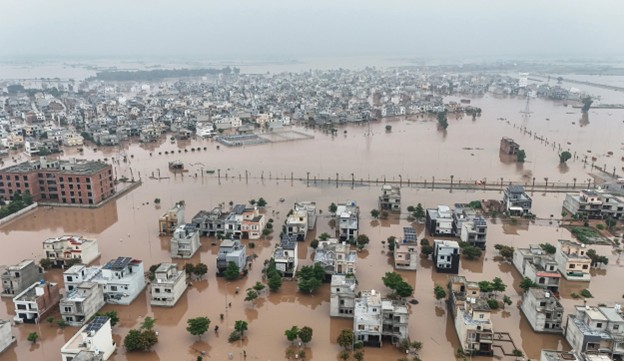
The IPCC climate report says world is warming fast. Floods, droughts, heatwaves, and storms are now coming closer together and being more intense, dealing devastating climate shocks across the world. But the suffering does not fall equally. The adverse effects of the climate on health, income and wellbeing are distributed very unevenly across the globe. And gender matters significantly in determining who pays the highest price. Power and cultural norms magnify these divides. In societies like Pakistan, women are doing a lot more now. As wells dry up, they are now forced to fetch drinking water from even longer distances. They are putting in the effort to rebuild homes, feed families and do more urgently needed repairs on account of shortages. After disasters, they are now having to survive after losing a loved one and livelihood. In rural Malakand, for example, 72% of women are stressed and 56% depressed following climate-induced disasters.
Why Mental Health Is a Hidden Climate Casualty
Research indicates that women experience more climate-related distress. In agricultural areas of Pakistan, elevated temperatures, erratic rainfall, and weather shocks are disrupting the crops and water supply. Furthermore, women’s daily challenges multiply as their isolation. Lack of health care and social stigma make a lot of women suffer in silence. Those who live in poverty, the elderly and those who live in rural villages rarely find mental health support. Local surveys show that two-thirds of women in rural areas battered by climate crises suffer anxiety. Even more than half suffer depression. They are also at greater risk of violence and may be married off young as families seek financial survival or security. All of these practices are linked to trauma and depression.
Why This Matters to Everyone
Why should we care about “invisible wounds”? Because mental health is the root of resilience. When a woman gets traumatized, anxious, or under chronic stress, the family and community pays the price. If not addressed these issues will keep people poor, disabled, violent and economically poor. In Pakistan, where women are the real lifeline of the rural and urban spaces, the emotional wellbeing of women determines the success of any adaptation or recovery programme. In the absence of psychosocial support, families and communities fail to recover from floods, leaving them with open wounds for years.
A Crisis of Policy Blind Spots
According to official climate plans of Pakistan, adaptation, food security and disaster response are required. Discussions about mental health rarely happen and gender-specific reactions are next to none. In other developing and middle-income nations, mental health has been mentioned in only 5% of climate-health research. Furthermore, policies of any substance that involve actual actions and funding are even rarer.
Building Gender-Sensitive, Mental Health–Inclusive Solutions
Global Lessons and the Need for Urgency.
All across the globe, countries show the same patterns as those witnessed in Pakistan which relate to gendered risk, hidden suffering, missed opportunities, etc. Climate worries are on the rise everywhere. But women and girls who are poorest bear the brunt. This happens especially at places where water, safety, or food is always uncertain. According to IPCC report drought, crop failure disaster to become a new normal. Communities will come under pressure. We need to notice real-life examples like decreasing maize yield in Ghana as the models predict or increasing suicide cases in climate-impacted districts of Pakistan.
Beyond Survival, Toward Justice.
If climate change is adaptation, then the world is half its suffering. Mental health is foundation of no matter issue, it is basis of adaptation, resilience and justice. We must no longer listen to women, break the silence, and invest in gender based care; it is not just the right thing to do it is the smart thing as well.
“Climate change is a man-made problem with a feminist solution.”
– Mary Robinson

Sahar Manzoor is a Social Sciences graduate and gold medalist from Pakistan. She a is currently pursuing Master of Public Policy (MPP) with a specialization in Climate Change at Universitas Islam Internasional Indonesia (UIII). Her academic interests focus on climate governance, social equity, and sustainable policymaking.
This article examines how the systemic failure of urban waste...
Indonesia is spending Rp 75.8 trillion (around US$4.7 billion) building...
This article analyzes climate vulnerability across Economic Community of West...
This article argues that addressing climate change in the Global...
This article examines Indonesia’s transition from reactive emergency disaster spending...
This article examines the DRC–Rwanda peace accord through the lens...
This article offers a comparative reflection on how Islam has...
This article examines how youth-led, digitally networked movements are reshaping...
This article examines why forest-based approaches remain critical for addressing...
This article exposes the injustice of Afghanistan’s exclusion from COP30...
This article highlights the significant emotional and mental health burden...
This article defines Code Green as a model of public...
This article analyzes how China’s ambitious green transition serves not...
This article traces how the 2025 UN General Assembly turned...
This article looks at how Indonesia’s provinces with extensive biodiversity...
This article examines how climate change and privatization intersect to...
This article analyzes how Trump’s second time withdrawal from the...
This article critically analyses Pakistan’s worst floods ranging from the...
This article examines the climate vulnerabilities of Pari Island in...
This article traces how Pari Island in Jakarta’s Thousand Islands...
This article explores how ecotourism in Indonesia’s Thousand Islands generates...
This article compares how U.S. Presidents Joe Biden and Donald...
This article explores the devastating impact of human activities such...
This article critically examines the European Union’s Carbon Border Adjustment...





Leave A Comment