
The term new world order over the past decade refers to shifts in global structure. Increasing multipolarity, strategic competition between China and the United States, fragmentation of supply chains, and the emergence of powerful new actors. Under these conditions, the traditional adversarial model of balance of power is not enough to reduce the risk of escalation and large collective costs, and it also shows that unipolarity no longer reflects reality. Seeing this, Dynamic Equilibrium offers an alternative model that is not a passive equilibrium, but an adaptive and institutional process that constantly rearranges rules, norms, and interaction mechanisms so that great power competition can remain controlled and interdependence is used to reduce conflict.
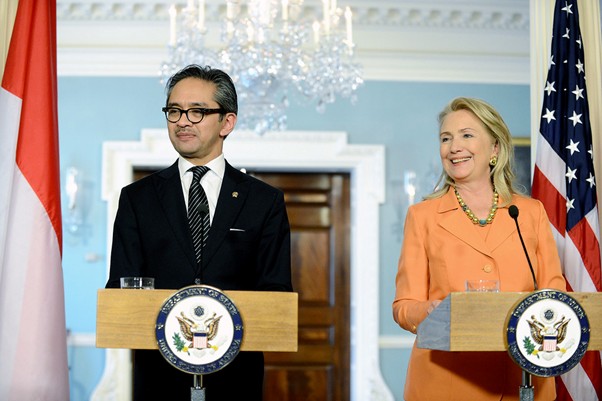
The idea of Dynamic Equilibrium was first widely known in a speech by former Indonesian foreign minister Marty Natalegawa on 2011. This concept emphasizes that regional stability is not achieved through partisanship, but through a balance that is continuously managed through dialogue, institutions, and cooperation. The post-cold war world order is often described as a liberal international order led by the United States. However, since the 2010s this order seems to have shifted. As in Acharya's (2017), the change in the global power structure is not only a battle between the two blocs such as the cold war era or a single hegemonic power (pax Americana), but rather leads to a more complex and layered world order, namely the Multiplex World Order. This concept describes a world with various intersecting power centers in international institutions and global networks that are increasingly fragmented but also interdependent.
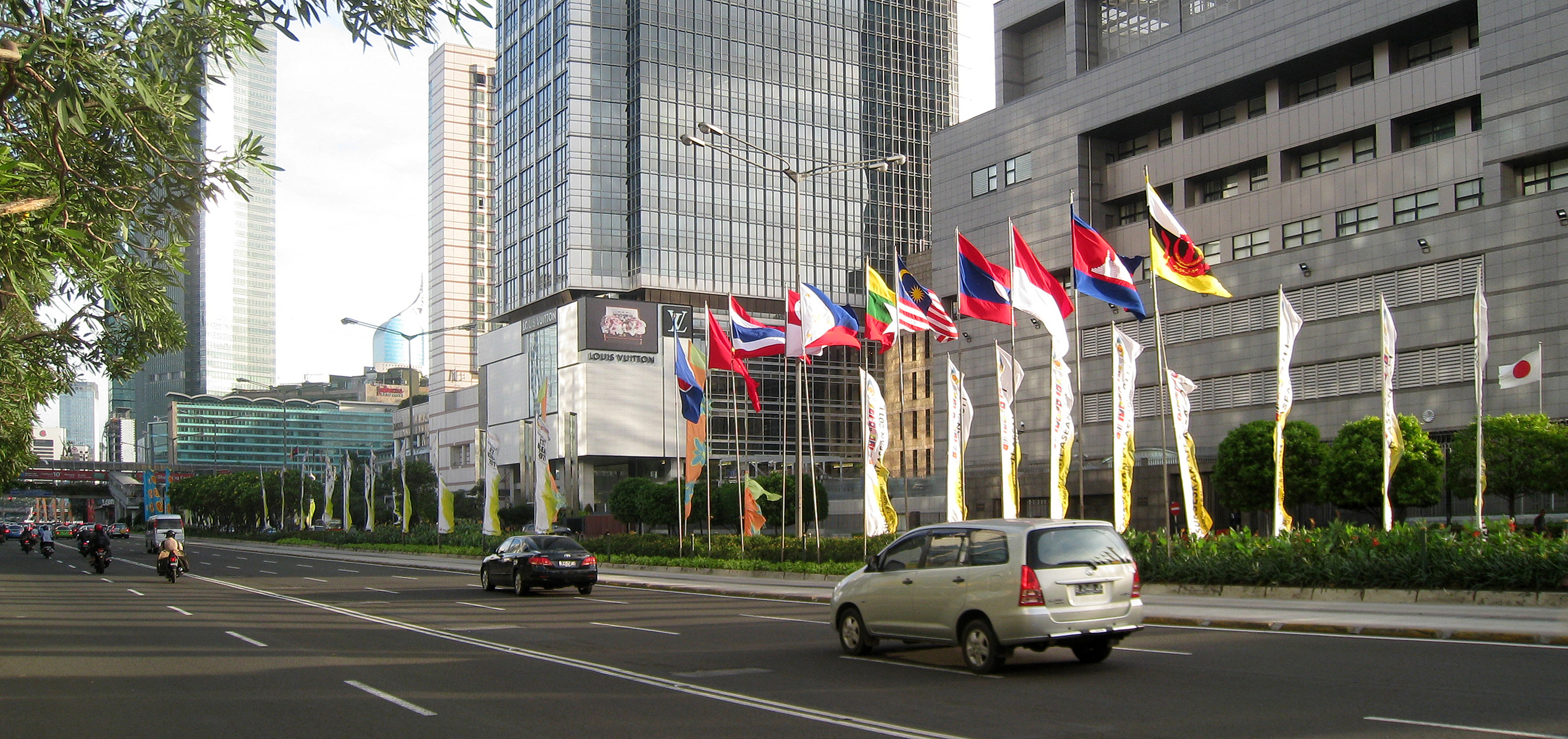
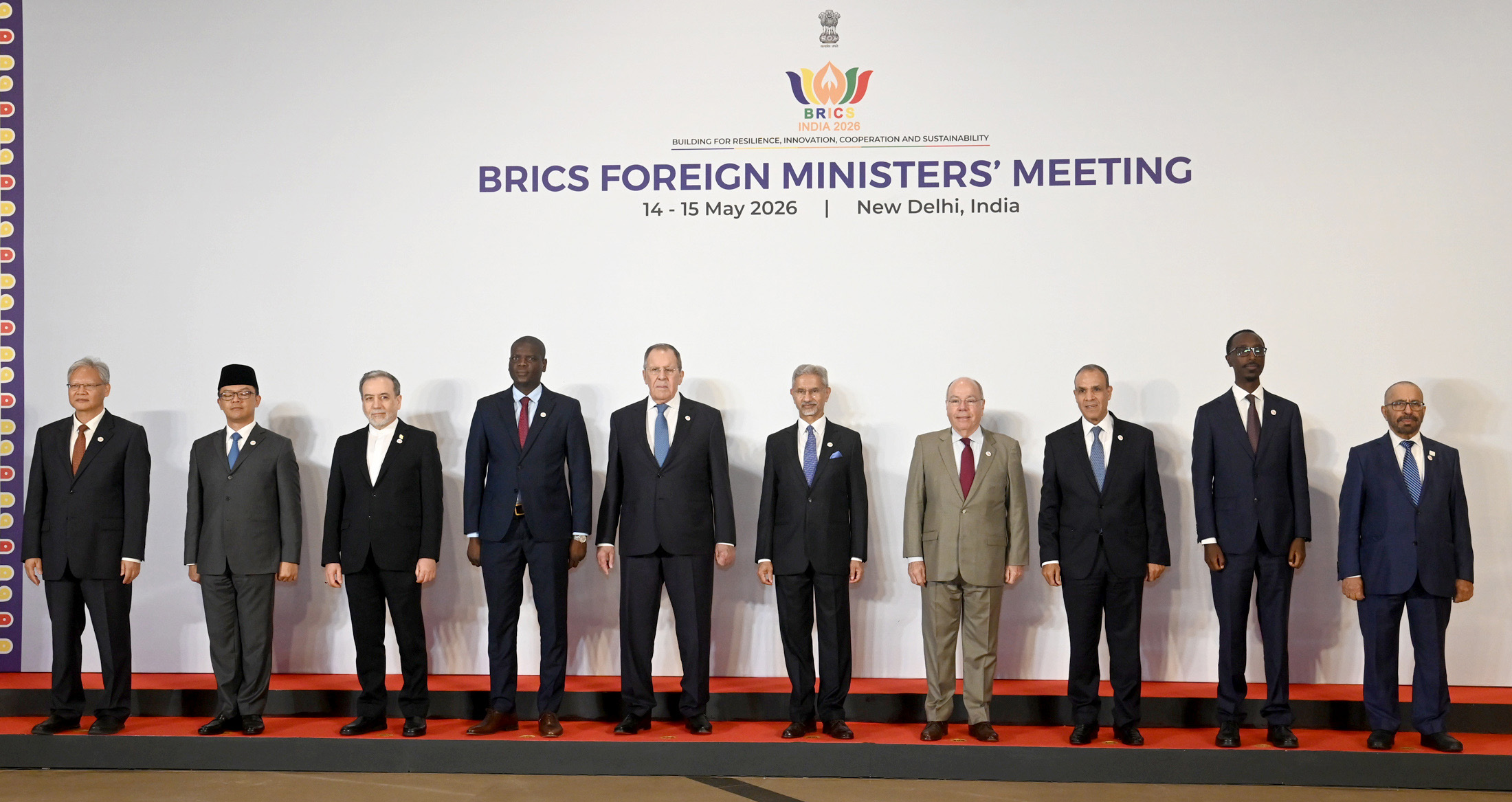
The liberal era of hegemony led by the US since World War II provided the foundation for the expansion of multilateral institutions such as the UN, WTO, IMF, and World Bank. However, as Amitav Acharya points out, liberal hegemony is not totally global, but rather a limited order that only applies to a certain set of countries (e.g., the US, Western Europe, and its allies) and is not a universal norm for other actors such as China, India, and other developing countries. In the multiplex world, global institutions are no longer single and central, new cooperation frameworks such as BRICS and ASEAN have emerged. Economic interdependence is increasingly complex, especially South-South cooperation. And non-traditional security challenges are increasing, such as climate change, terrorism, cybersecurity, and pandemics such as Covid-19. This cannot be overcome by hegemon power alone, but through cross-actor and cross-regional cooperation.
In the context of the multiplex world, the concept of Dynamic Equilibrium is relevant as a strategic principle that emphasizes an adaptive, heterogeneous, and mutually recognized balance of power for each actor. Dynamic Equilibrium is not just a balance of static forces balancing in the style of traditional realism, but an equilibrium that can change along with global dynamics, without the dominance of one absolute force.
Indonesia has long echoed its foreign policy through its free and active principle, which means playing a constructive role in international relations without being tied to one of the global power blocs exclusively. It does not mean that we are neutral, Indonesia as a middle power plays a role in bridging or navigating the hegemon power as it is now, namely the United States and China. This role then developed through maritime diplomacy, ASEAN centrality, and Indonesia's contribution to various global mechanisms such as the G20 and the United Nations. Indonesia as a middle power in the context of ASEAN uses the AOIP to emphasize its role as a bridge-builder between major powers competing in the Indo-Pacific region. The role as a regional order is also a framework for compiling a common normative narrative in dispute resolution and regional development. And also a strategy to maintain the relevance of ASEAN as a key actor in setting the regional security and development agenda amid the US-China rivalry.
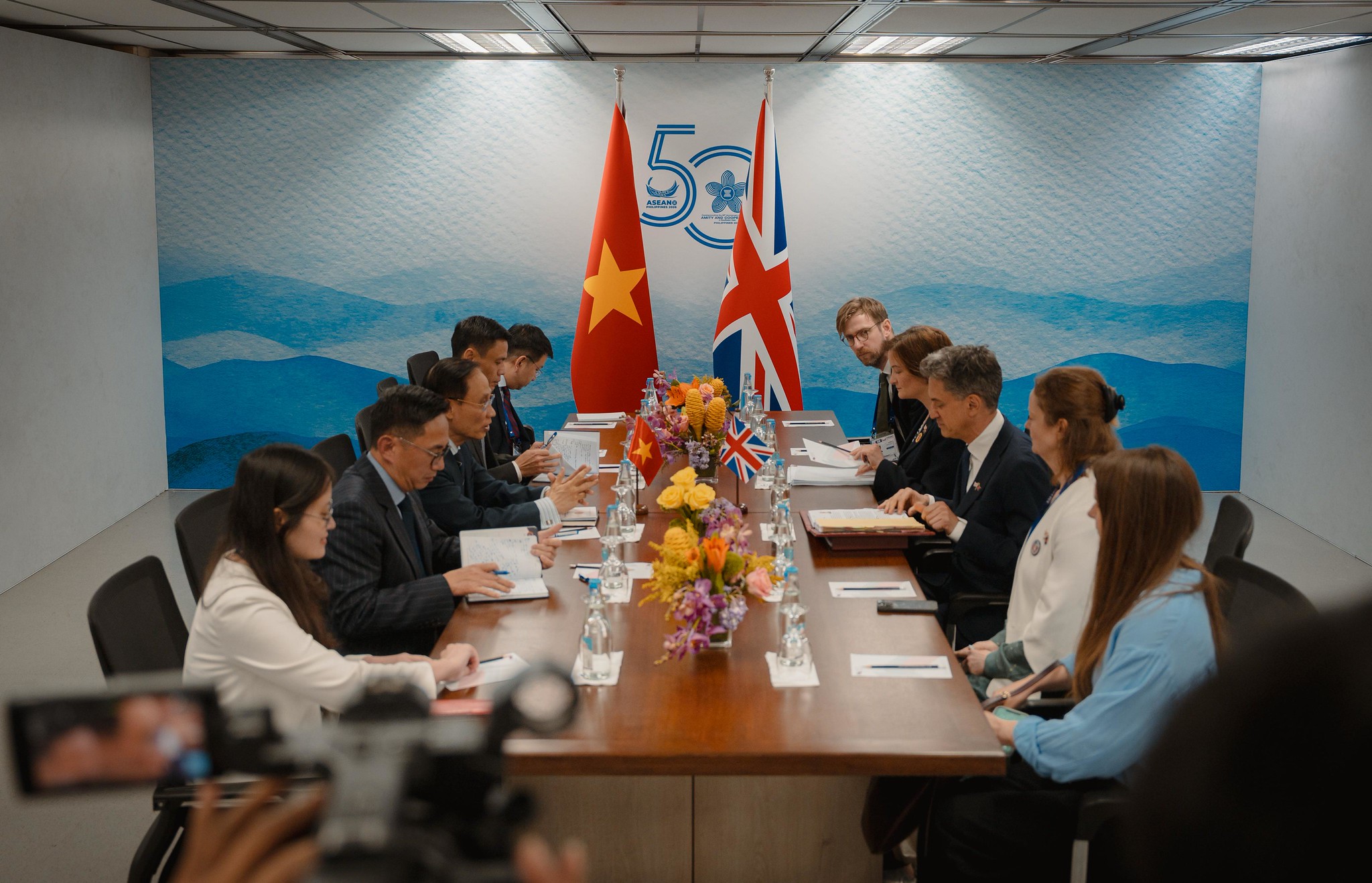
The AOIP emphasizes the openness, inclusiveness, and centrality of ASEAN in regional mechanisms, a principle that is compatible with the Dynamic Equilbrium, as the AOIP provides a forum to manage rivalries and accommodate great powers through an ASEAN-led multilateral platform. But this is not without its pitfalls, policy evaluations show implementation challenges, capacity gaps, and the tendency for normative rather than operational results if not followed by strong political resources and commitment. A comparative study conducted by Ardianti, Rosyidin, and Alfian (2023) provides a comparison between the concept of Dynamic Equilibrium and AOIP, placing both in the "spirit of liberal-institutionalism" that encourages institutions as a buffer for stability. The research emphasizes that for Dynamic Equilibrium to be effective in the Indo-Pacific region, ASEAN must strengthen institutional capacity, promote collective norms, and enhance functional cooperation projects that enrich ASEAN's legitimacy as a neutral platform.
Indonesia, as the largest country in ASEAN and one of the largest economies in the region, has strong middle power attributes. The tradition of diplomacy and foreign policy that is free-active, its influence in ASEAN, and the normative capacity to become the norm of entrepreneurship. Indonesia is able to balance relations with the US and China while promoting regional solutions, a middle power model suitable for the operationalization of Dynamic Equilibrium. Therefore, Indonesia, as a middle power and capacity in the large ASEAN region, needs to continue to strengthen mechanisms such as AOIP to be a real and adaptive implementation, strengthening ASEAN institutional capacity building. Indonesia also needs to implement a multi-level hedging policy, by strategically interacting with various powers (US, China, India, Japan, Europe) while strengthening domestic capabilities (defence diplomacy, strategic economy). This pattern maintains room for maneuver without sacrificing economic relations. Indonesia needs to continue to consolidate inclusive narratives through international forums such as the United Nations, G20, and other global forums to position ASEAN as a normative agent in the new world order. At the same time, it instills diplomacy that focuses on technology, digital connectivity, and infrastructure to increase regional competitiveness and respond to global transformation. And also in non-military security aspects such as food security, energy, and global health, Indonesia must continue to initiate and improve its role.
A critical note that we need to know, especially about the operationalization of the Dynamic Equilibrium concept, is to face challenges related to conflicting national interests between ASEAN members, pressure from major powers to choose blocs, and limited resources, especially human capacity that is still inferior when compared to China. If Dynamic Equilibrium is successfully operationalized in the Indo-Pacific through ASEAN leadership and the actions of middle powers such as Indonesia, the consequence will be a more plural and multipolar institutional world order but bound by norms and networks of cooperation. Competition persists but is managed through forums that suppress escalation, and transnational issues are addressed through functional cooperation. It is not a perfect conflict-free order but rather one that is adaptive to global dynamics, with the capacity to negotiate new rules as technology and the distribution of power shift. In this way, the new world order is not just a geopolitical label, but a dynamic framework that promotes stability and common prosperity.
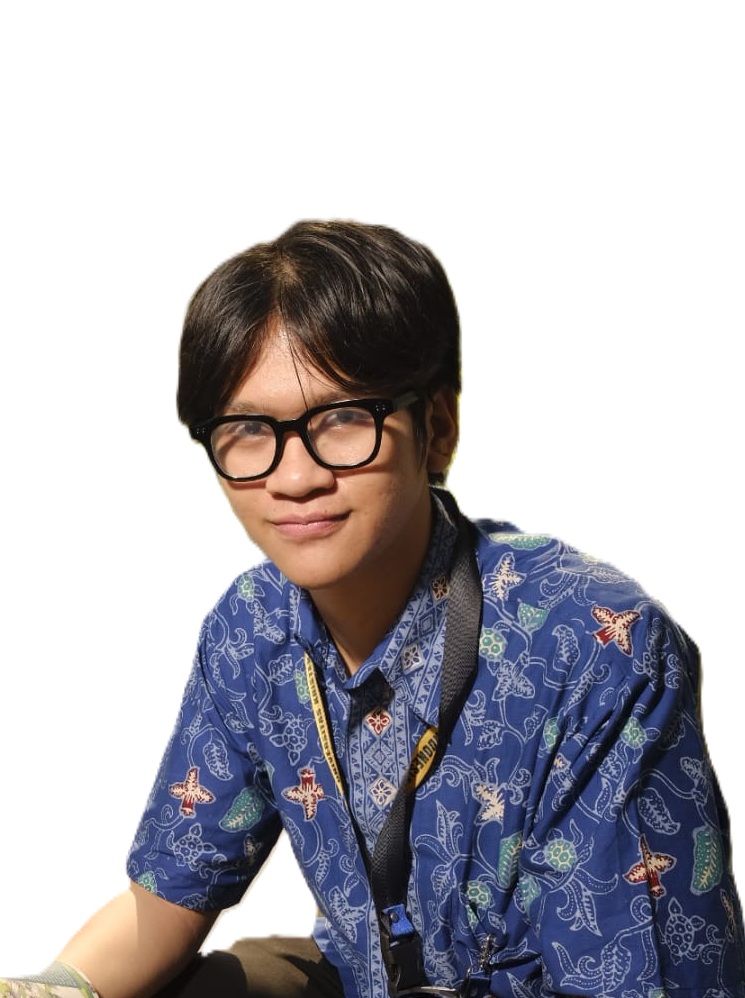
Abdullah Akbar Rafsanjani is an international relations student at Universitas Kristen Indonesia and mainly discuss about security issues and foreign relations.
Aniello Iannone examines Malaysia's repatriation of Myanmar nationals, revealing how...
In this article, Dr. Angana Guha Roy argues that water...
In "Structural Aseanisation," Aniello Ianone explores Europe's strategic shift in...
In this article, Aniello Iannone critically evaluates the ten-year trajectory...
The global order is moving beyond rigid bloc politics toward...
In this article, Luo Chen Jun highlights a striking historical...
In this article, Muhamad Ferdy Firmansyah highlights how climate technology...
In his latest article, Aniello Iannone examines the gap between...
This article analyzes Indonesia's ambitious military modernization through its strategic...
DeepRare is being hailed as a major breakthrough in the...
This article analyzes President Prabowo’s decision to skip the June...
This article analyzes the phenomenon of "sibling rivalry" at the...
This article evaluates the normative frameworks offered by China’s four...
This article examines the 2025 Thailand–Cambodia border conflict to evaluate...
This article examines the May 2026 ASEAN Summit in Cebu...
This article examines the May 2026 Beijing summit between Xi...
This article examines how the rise of narcissistic foreign policy—exemplified...
In October 2025, Indonesia's President Prabowo Subianto announced that Portuguese...
This article argues that recent U.S.–Israel military actions against Iran...
This article examines Türkiye’s evolving "Third Way" in Africa, an...
This article critically examines Indonesia’s evolving role from a quiet...
This article provides a firsthand account of how Pakistan emerged...
This article examines how disruptions in the Strait of Hormuz...
This article examines Indonesia’s participation in the Board of Peace...



Leave A Comment