
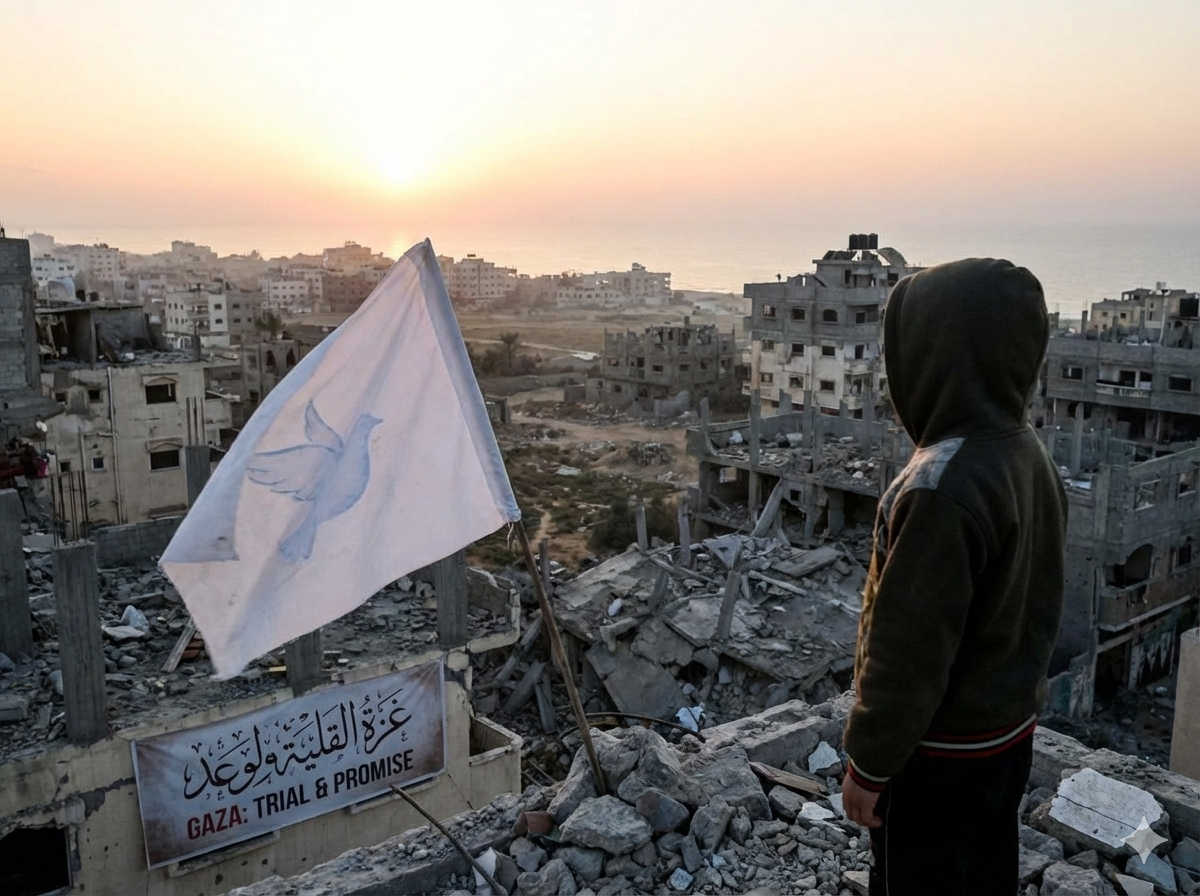
With hardship comes ease, a divine promise that now reads like Gaza’s political destiny. For nearly seventy-seven years, bloodshed and displacement have defined Palestinian life. And in the past two years Gaza has faced one of its darkest chapters: over a million people displaced, tens of thousands killed. For decades, every ceasefire has followed sorrow, only to be undone by yet another siege, another round of bombings, another wave of loss. Each ruin is rebuilt, only to collapse again like a fragile stack of cards under relentless Israeli airstrikes. Yet through exhaustion, exile, and endless grief, the Palestinian struggle endures, reminding the world that resilience, too, is a form of resistance.
Yet, for the first time, a glimmer of hope has emerged, a hope for a viable Palestinian state and lasting peace that carries the backing of the international community and rests upon a structured foundation. While this process now stands stalled, its architecture ensures it is delayed rather than defeated, paused rather than vanquished. Hamas and Israel have accepted a 20-point peace plan proposed by President Donald Trump, completing the first phase with the resolution of the live-hostage issue and endorsing, in principle, a transitional government led by Palestinian technocrats. Washington and Gulf powers (Saudi Arabia, Qatar, Türkiye, Egypt, Jordan, and others) displayed notable diplomacy in forging this framework. Yet the process has since stalled at the threshold of the next phase, amid disputes over the release and recovery of the bodies of deceased Israeli hostages held by Hamas due to operational obstacles, even as repeated public statements by Israeli leaders in recent months have explicitly rejected any prospect of Palestinian statehood. Even in its fragility and suspension, the ceasefire has offered Gazans a rare breather after two relentless years of genocidal war.
The October 7 Hamas attack triggered a devastating Israeli response, pushing Gaza into a humanitarian catastrophe. Civilians continue to bear the brunt of destruction. The Middle East remains tense, with Israel widening operations across the region. Critics argue that this campaign, coupled with lack of accountability, erodes international norms. European nations such as Spain,Ireland, Norway, and now the likes of UK, Australia, Portugal, France and Canada, have acted to keep alive the hope of a Palestinian state, a hope Israel has repeatedly sought to extinguish.
Historic Recognition of Palestine
The U.S. peace plan and ceasefire followed the Doha attack, a blatant violation of Qatar’s sovereignty by Israel. Rather than retaliate militarily, Gulf powers pursued precision diplomacy, reshaping regional dynamics. Saudi and Qatari statecraft, coordinated with Islamic nations and Washington, secured diplomatic concessions on Gaza and Palestinian statehood. The formal recognition of Palestine by Australia, Canada, and the UK marked a historic step.
UK Prime Minister Keir Starmer called it “a profound announcement for the Middle East and the decades-long Palestinian cause,” emphasizing the urgent need to keep alive the possibility of a two-state solution. Canada’s Prime Minister echoed the sentiment, highlighting Israel’s relentless assaults and settlement expansion, and offering partnership in building a peaceful future for Palestine and Israel.
These developments underscored growing international discomfort with Israel’s conduct. Years of obstruction and bombardment have steadily pushed it toward pariah status. As Trump remarked in an interview to Israel’s Channel 12 cited by the New York Post, Israel had “lost a lot of support in the world,” signaling its increasing isolation.
Israel’s actions were long sustained by unwavering U.S. support, but blind backing has begun to isolate Washington internationally, and Tel Aviv became a liability for Washington. A return to a more measured, non-interventionist stance could better serve American interests. Yet under Trump, U.S. policy appears to have finally shifted toward Middle East stability. The peace plan, now accepted by Hamas and Israel, opened a pathway toward a viable Palestinian state, ending two years of devastating war. It envisions phased ceasefire, hostage release, an international stabilization force, and an interim governing authority led by Palestinian technocrats, paving the way for elections and a two-state framework, and with the first phase already completed, perhaps a new dawn for Gazans is finally at the horizon, a sentiment echoed by President Trump, who hailed it before the Israeli Knesset as “the historic dawn of a new Middle East,” moments before departing for the extraordinary Egypt peace summit.
As part of the plan’s rollout, about 200 U.S. troops will be stationed in Israel to oversee the ceasefire, coordinating with the militaries of a joint task force from Türkiye, Egypt, Qatar, and possibly the UAE as reported by Al Jazeera. Except for the U.S., these forces will likely enter Gaza to monitor compliance and aid reconstruction, providing Hamas key security assurances that Israeli troops will not engage them during the transition phase albeit for the moment this appears a monumental challenge, yet prospective.
Trump’s praise for Saudi Arabia, Qatar, Türkiye, Jordan, and others highlights the Gulf’s growing influence in Washington, showing that pragmatic, multilateral diplomacy may finally be taking hold in the region.
The Gulf’s Constructive Statecraft
Building on this new security architecture, Gulf powers have shown how diplomacy can anchor peace. Decades of U.S. missteps, especially after the Israeli attack on Doha, have left regional powers rethinking strategies. The Gulf chose measured restraint, weighing intervention risks against historical lessons. Despite repeated Israeli violations, Gulf states demonstrated commitment to diplomacy over conflict. Saudi Crown Prince Mohammed bin Salman and Qatar’s Emir Tamim bin Hamad Al Thani fostered international consensus on Palestinian statehood, reviving the question on the global stage.
Saudi Arabia pledged $90 million to support the Palestinian Authority, reiterating that normalization with Israel would only come with Palestinian statehood as reported by Saudi Gazette. France and other European states soon recognized Palestine at the world summit convened by Saudi Arabia and France, complementing the UK, Canada, and Australia’s move. Combined with Hamas and Israel’s acceptance of the U.S. peace plan, these events reveal the Gulf’s pivotal diplomatic role. A new West Asian doctrine seems to emerge: restraint in arms, conquest through diplomacy, and deterrence rooted in sovereignty.
With U.S. credibility as a regional guarantor in question despite the damage control, the success of the peace plan partially restores what remains of Washington’s moral authority. The world already, reeling from wars from Gaza to Lebanon, Iraq to Sudan, Yemen to Ukraine, and the recent Iran-Israel and Indo-Pak clashes, now sees that patient diplomacy can produce breakthroughs.
This moment remains historic: a Palestinian state is still closer than ever. The Gulf’s restraint has demonstrated a powerful philosophy, that in an age of violence and chaos, choosing non-violence is not weakness but wisdom. When the people who reject vengeance and stand firm in principle, they lose nothing and, in the end, gain everything.
Palestinians have endured the harshest trials, holding on to the divine promise that with hardship comes ease. Even after the ceasefire agreement and the successful implementation of the first phase of the deal between Hamas and Israel, the guns have yet to fall silent, with intermittent Israeli violations and progress seemingly stalled under the pretext of retrieving the bodies of deceased Israeli hostages held by Hamas. Yet peace remains achievable in the long term, especially following the signing of the Gaza Declaration by Gulf leaders, European powers, and President Trump in Egypt’s Sharm el-Sheikh.
Gaza’s starved children, widows, and orphans look to rebuild their lives brick by brick. Their fire of self-determination and faith in God burns brightly, a fire that 77 years of oppression and three years of war could not extinguish.
The U.S.-brokered plan moves from paper to action, centered on a transitional Palestinian authority. While Trump proposed Tony Blair to oversee the interim phase, Hamas favors Palestinian technocrats, signaling its intent to act as a legitimate political actor. Trump accepted Hamas’s response swiftly, hinting at flexibility in future negotiations.
Remaining Challenges and the Road Ahead
Despite initial success, much remains unresolved. Without credible guarantees for Palestinian security, statehood, Israel’s concerns over Hamas disarmament, and Hamas’s concerns over Israeli withdrawal, the plan risks Gaza becoming another ‘Lebanon model,’ calm in some areas but simmering elsewhere.
Yet the resolve of Riyadh, Doha, Ankara, Amman, Cairo, Washington, and others appears strong enough to see this process through, delivering the lasting peace and sovereign state Palestinians have long deserved. However, as the first stage of the peace plan reached completion, the process has begun to falter day by day and must be rescued from any planned malice at the earliest. The Gulf nations, in particular, possess both the moral conscience and the diplomatic statecraft to pressure Israel. Riyadh demonstrated this by example when Crown Prince Mohammed bin Salman rejected Saudi–Israeli normalization as a diplomatic concession for the F-35 jets deal during his recent visit to Washington, despite enormous diplomatic pressure and yet still secured the deal.
The Gaza war will be remembered as one of the most destructive and inhumane of our time, exposing global impotence. Over seventy thousand lives were lost, and thousands remain buried, silenced childhoods, shattered dreams, innocent bodies. As the ceasefire stands at a crossroads, either to be buried as if it were never a sincere effort or transformed into something more profound, Gaza’s children continue to count the days, hoping each new dawn might bring complete freedom from war and oppression, and perhaps, at last, a sovereign Palestinian state that releases them from the trauma and fear of the humming Israeli drones and relentless bombings that once defined daily life in Gaza. Yet even as hope flickers, the memories of the fallen remain a silent testament to their courage and resilience.
Challenges persist transitional governance, reconstruction, political legitimacy, stabilization forces, Israeli withdrawal, and Hamas’s disarmament. Yet, for the first time in decades, diplomacy rather than war defined the headlines, and the governments of the world must not let down the beating hearts of millions across their respective communities, for this conflict is a deep wound that has scarred humanity for far too long.
The path ahead is fragile; peace, long buried under Gaza’s rubble, remains elusive. Palestinians have endured the harshest trials by holding to the divine promise that with hardship comes ease. With recognition, perhaps at last, comes peace. But as rays of hope flickered upon the children of Gaza, amidst clouds of death and destruction, it appeared that this might finally be a moment when diplomacy outpaced devastation. Yet, as the first stage neared its completion, history once again appeared stalled, and the moral compass of humanity was lost amid the magnets of evil.
Still, the words of Ahmad Faraz “When the night martyrs a sun, the dawn sculpts a new one” will echo for eternity across the lands of occupied Palestine until that forsaken peace is achieved. For it is hope that consoles the bereaved hearts of men, women, and children alike, anchoring them in the mercy of their Lord and the inevitable recompense awaiting the oppressors.

Obaidurrahman Mirsab is a New Delhi–based student and writer at Jamia Millia Islamia whose work focuses on geopolitics, international relations, and the global political economy. His writing has appeared in International Policy Digest, International Affairs Forum (Center for International Relations, Washington, D.C.), Global South Forum, The Eastern Herald, among others, and he has an article under editorial revision at The Fletcher Forum of World Affairs.
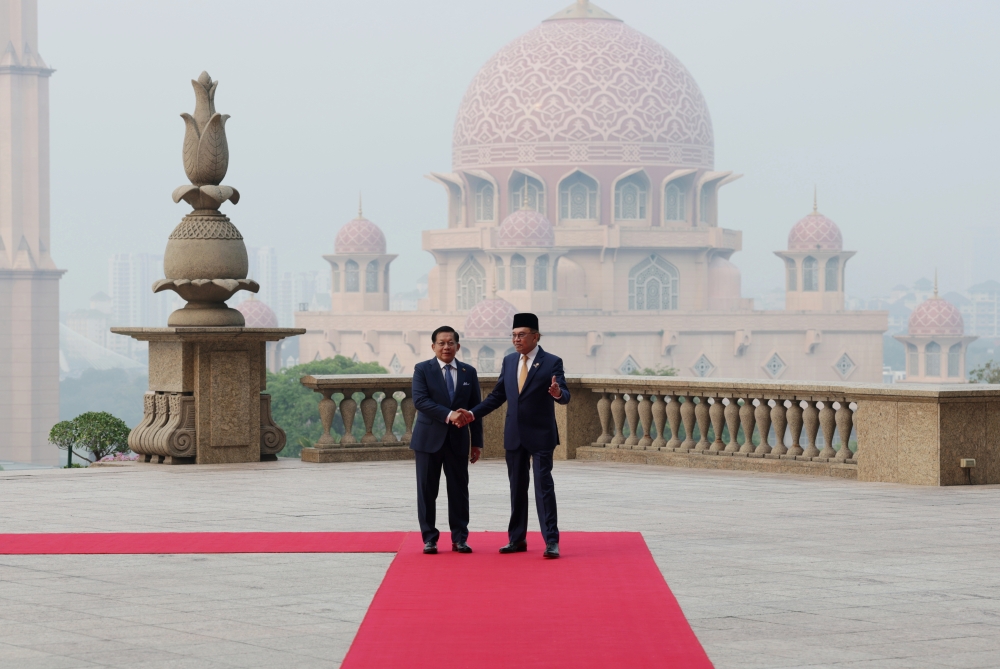
Aniello Iannone examines Malaysia's repatriation of Myanmar nationals, revealing how...
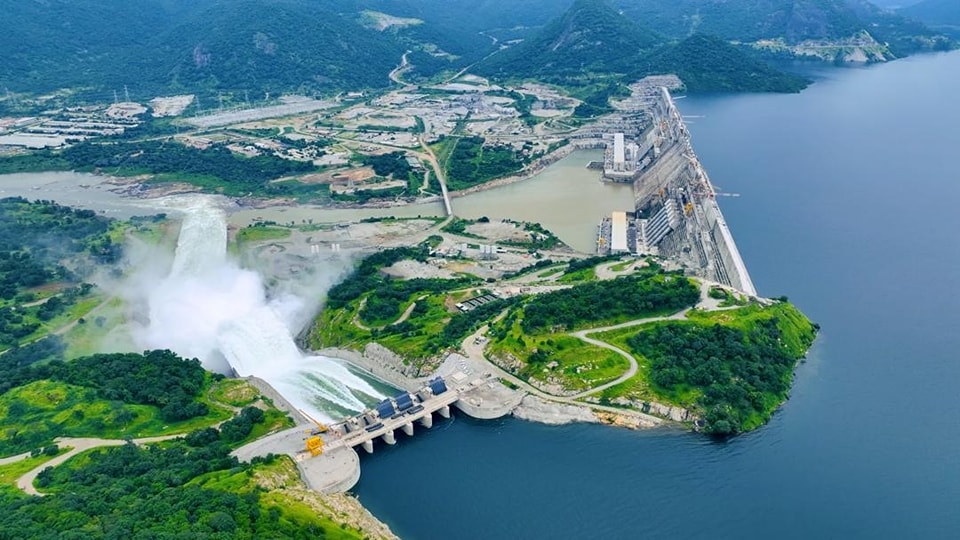
In this article, Dr. Angana Guha Roy argues that water...
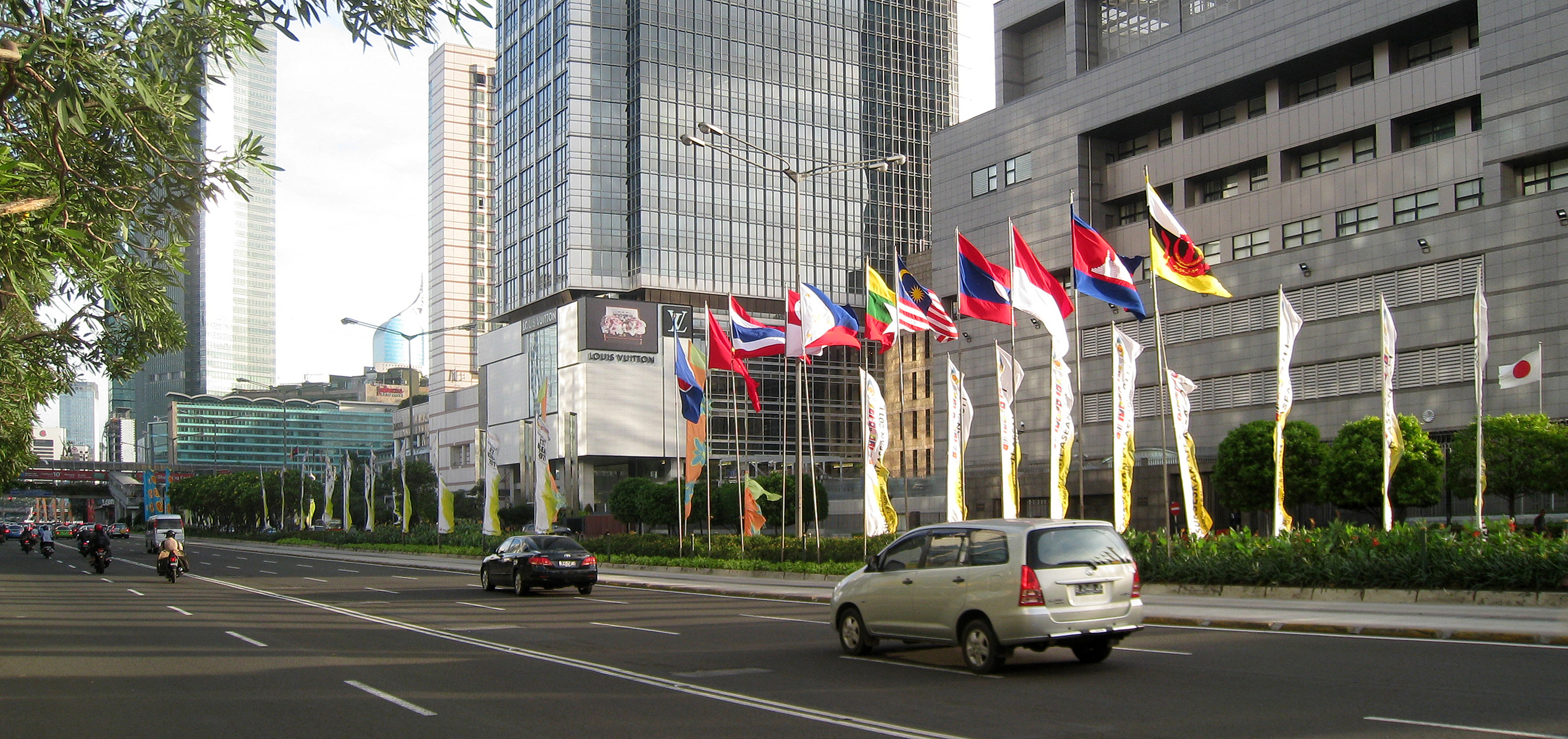
In "Structural Aseanisation," Aniello Ianone explores Europe's strategic shift in...
In this article, Aniello Iannone critically evaluates the ten-year trajectory...
The global order is moving beyond rigid bloc politics toward...
In this article, Luo Chen Jun highlights a striking historical...
In this article, Muhamad Ferdy Firmansyah highlights how climate technology...
In his latest article, Aniello Iannone examines the gap between...
This article analyzes Indonesia's ambitious military modernization through its strategic...
DeepRare is being hailed as a major breakthrough in the...
This article analyzes President Prabowo’s decision to skip the June...
This article analyzes the phenomenon of "sibling rivalry" at the...
This article evaluates the normative frameworks offered by China’s four...
This article examines the 2025 Thailand–Cambodia border conflict to evaluate...
This article examines the May 2026 ASEAN Summit in Cebu...
This article examines the May 2026 Beijing summit between Xi...
This article examines how the rise of narcissistic foreign policy—exemplified...
In October 2025, Indonesia's President Prabowo Subianto announced that Portuguese...
This article argues that recent U.S.–Israel military actions against Iran...
This article examines Türkiye’s evolving "Third Way" in Africa, an...
This article critically examines Indonesia’s evolving role from a quiet...
This article provides a firsthand account of how Pakistan emerged...
This article examines how disruptions in the Strait of Hormuz...
This article examines Indonesia’s participation in the Board of Peace...




Leave A Comment