

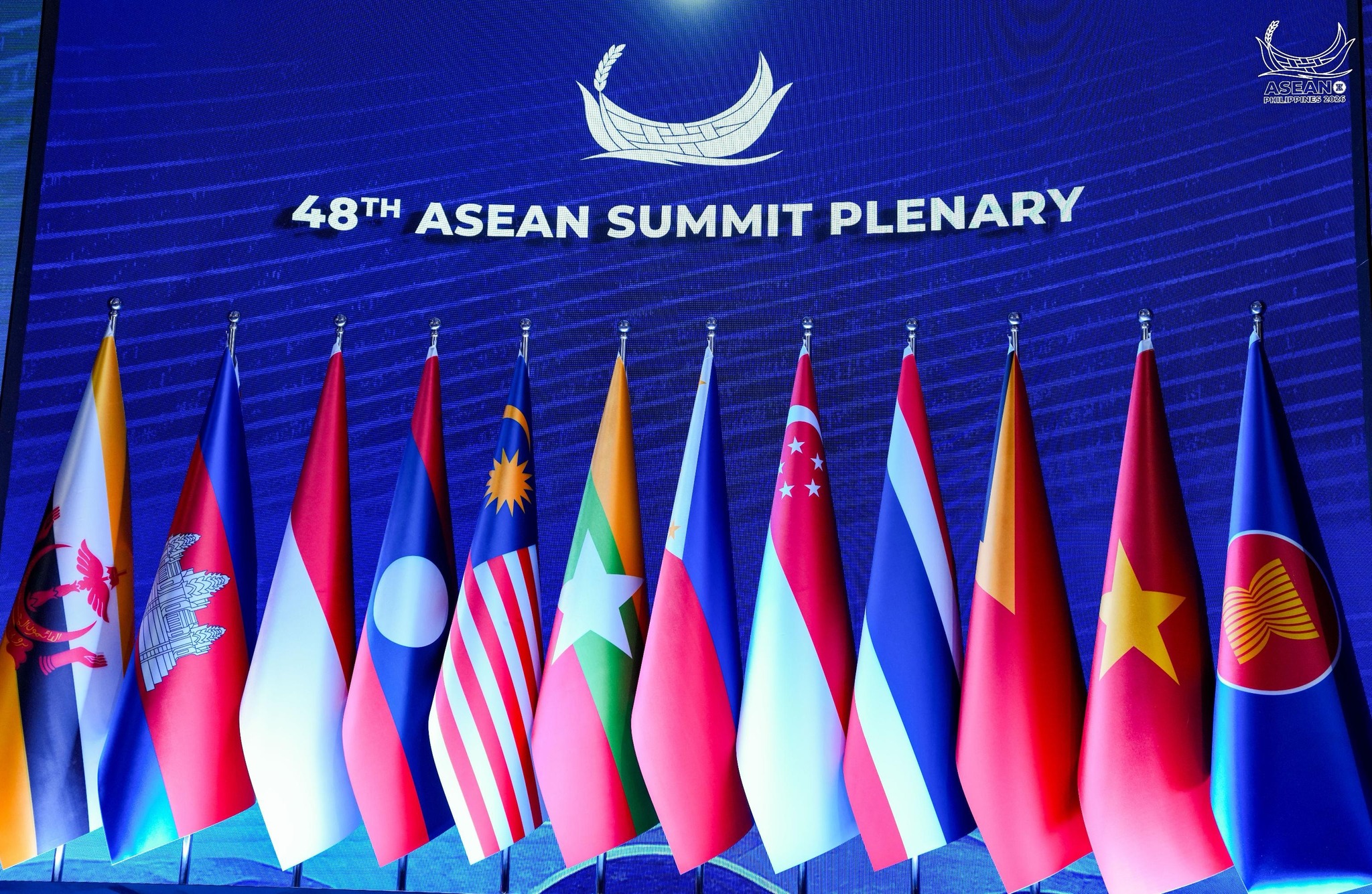
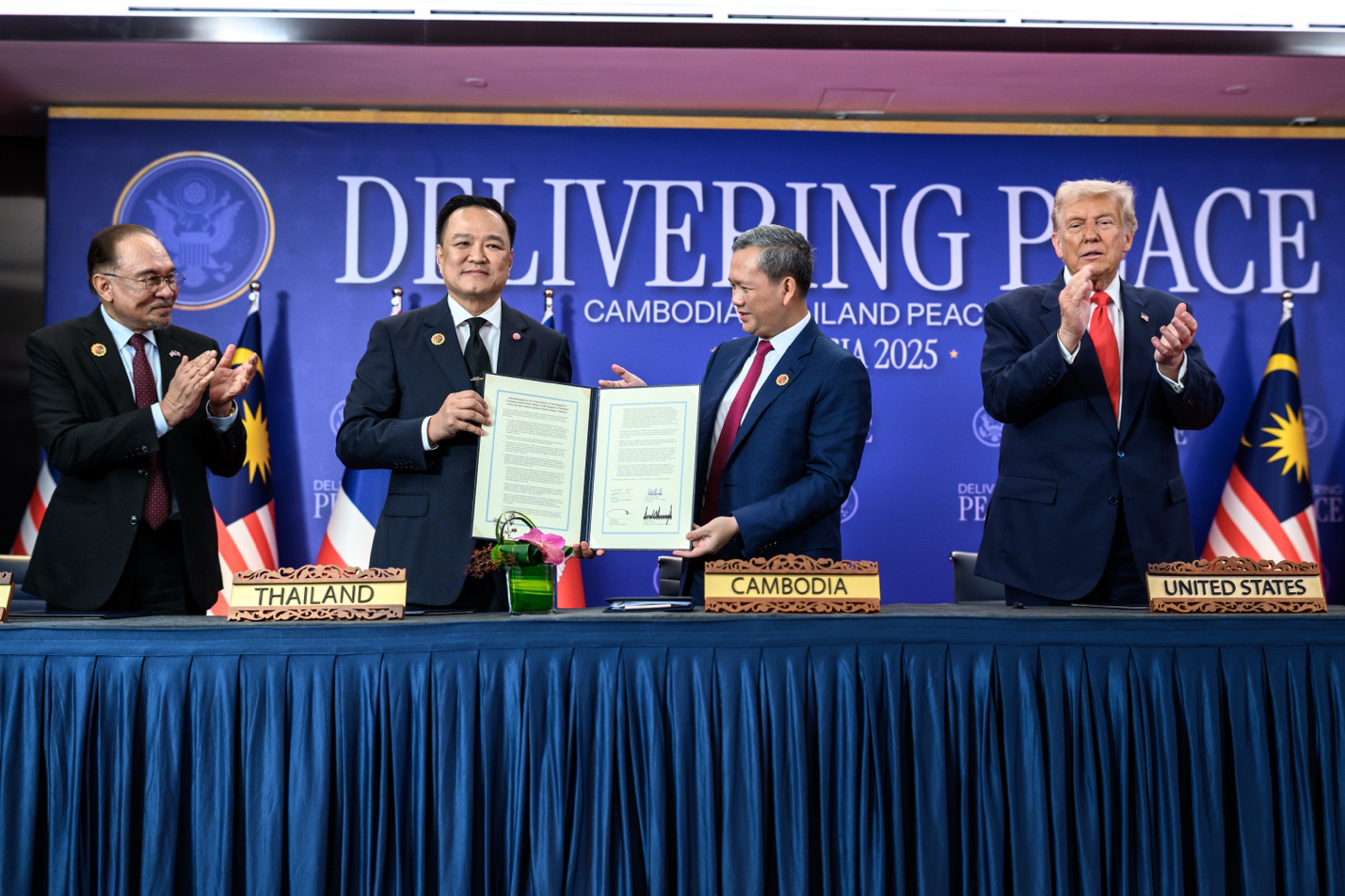
The ASEAN Summit in Kuala Lumpur from 26 to 28 October 2025 will be more than a diplomatic formality. It arrives at a moment when Southeast Asia’s delicate balance between autonomy and dependency is being tested. The confirmed participation of U.S. President Donald Trump and the long-awaited admission of Timor Leste as ASEAN’s eleventh member make this gathering a stage where global rivalry and regional aspiration converge.Trump’s presence marks Washington’s most visible re-entry into Southeast Asia in years. For the United States, the goal is clear: to rebuild influence in a region where economic and diplomatic ground has steadily shifted toward Beijing. Trade, tariffs and technology will dominate discussions. The U.S. aims to reframe ASEAN not as a loose collection of bilateral relationships but as a single, strategic partner. This marks a shift toward what American policymakers call “multilateral re-engagement,” using ASEAN’s legitimacy as a vehicle for renewed credibility.
Yet, there is skepticism in the region. Southeast Asian states remember the inconsistency of U.S. engagement over the past decade and remain cautious about Washington’s long-term commitment. A visible handshake in Kuala Lumpur cannot substitute for sustained policy coherence. Trump’s assertive tone may help reestablish presence but risks reinforcing perceptions of a transactional America. China approaches the summit with quiet confidence. For Beijing, ASEAN is both buffer and bridge, a central piece of its strategy to shape an Asia-centered order. Through investment, credit and infrastructure, China has spent years weaving the region into its economic and political orbit. Beijing’s narrative of stability through development still resonates with many ASEAN capitals. The challenge for China is not influence but sustainability: its leverage depends on keeping the region stable enough to absorb Chinese capital while pliant enough to avoid strategic alignment with the United States.
Malaysia, as ASEAN’s current chair, stands in the middle of this geopolitical choreography. Prime Minister Anwar Ibrahim has positioned the summit as one of inclusivity and balance, while hosting delicate side discussions on regional conflicts such as the Thai-Cambodian border. Kuala Lumpur’s diplomacy embodies the pragmatic instincts of a middle power: to mediate without taking sides, to maintain equilibrium without antagonizing either of the giants. Success for Malaysia will depend on whether it can move the summit beyond polite declarations into concrete deliverables. Amid the power politics, Timor Leste’s accession brings a different form of symbolism. After fourteen years of waiting since its 2011 application, Dili will finally be welcomed into the regional fold. For the small island nation, membership represents diplomatic recognition, a voice in regional forums and protection through inclusion. Joining ASEAN allows Timor Leste to hedge between major powers, ensuring visibility in a system that often overlooks small states.
But this expansion also exposes ASEAN’s institutional fragility. Timor Leste is among the region’s least developed economies, heavily dependent on oil revenues and foreign aid. Integrating such a member will test ASEAN’s administrative capacity and reveal the limits of its consensus-based model. The organisation’s inclusiveness, while laudable, risks becoming a substitute for effectiveness. In analytical terms, this is the familiar ASEAN paradox; integration without empowerment, inclusion without structural change. The Kuala Lumpur summit is shaped by three overlapping pressures. Economically, ASEAN faces the twin pull of U.S. protectionism and Chinese economic gravity. Strategically, it stands once again as the arena of great-power competition, with both Washington and Beijing using the summit to showcase influence. Institutionally, it must demonstrate that enlargement strengthens rather than weakens its coherence. The credibility of ASEAN’s “centrality” will depend on whether it can act collectively, not just speak collectively.
If the summit produces concrete outcomes, such as a roadmap for Timor Leste’s integration and new economic frameworks with both the United States and China, ASEAN may reclaim some of the strategic agency it often claims but rarely exercises. If, as is more likely, the event results in lofty communiqués with little implementation, it will only reinforce the perception that ASEAN is a venue for diplomacy, not an actor within it. In the worst case, external powers will dominate the proceedings entirely, leaving ASEAN as a stage managed by others.
The deeper question remains whether ASEAN can convert its geographic centrality into political capacity. Hosting major powers is not the same as shaping their interaction. That requires the ability to set agendas, coordinate policy and speak with one voice, none of which come easily to a consensus-bound organisation of diverse states. Timor Leste’s entry captures the dual nature of ASEAN today: expanding in scope but not necessarily in strength. It represents hope for a more inclusive community, but also exposes the gap between rhetoric and reality. Trump’s visit will capture headlines, China’s diplomacy will ensure continuity, and Malaysia will play its balancing role. But beyond the ceremony, Kuala Lumpur 2025 will be remembered for what it reveals about ASEAN itself: a regional body still searching for a balance between ambition and capacity, between centrality and fragility. In the end, ASEAN’s greatest strength remains its endurance. Yet endurance alone is no longer enough. If Kuala Lumpur fails to move the bloc from symbolic unity to strategic coherence, Southeast Asia’s central institution risks becoming exactly what it fears most: a platform for power rather than a power in its own right.

Aniello Iannone is a lecturer in Indonesian and Southeast Asian Politics at the Department of Political Science and Government, Diponegoro University. His research focuses on Indonesian politics, ASEAN as a regional actor, and comparative and international politics in Southeast Asia.
In this article, Aniello Iannone critically evaluates the ten-year trajectory...
The global order is moving beyond rigid bloc politics toward...
In this article, Luo Chen Jun highlights a striking historical...
In this article, Muhamad Ferdy Firmansyah highlights how climate technology...
In his latest article, Aniello Iannone examines the gap between...
This article analyzes Indonesia's ambitious military modernization through its strategic...
DeepRare is being hailed as a major breakthrough in the...
This article analyzes President Prabowo’s decision to skip the June...
This article analyzes the phenomenon of "sibling rivalry" at the...
This article evaluates the normative frameworks offered by China’s four...
This article examines the 2025 Thailand–Cambodia border conflict to evaluate...
This article examines the May 2026 ASEAN Summit in Cebu...
This article examines the May 2026 Beijing summit between Xi...
This article examines how the rise of narcissistic foreign policy—exemplified...
In October 2025, Indonesia's President Prabowo Subianto announced that Portuguese...
This article argues that recent U.S.–Israel military actions against Iran...
This article examines Türkiye’s evolving "Third Way" in Africa, an...
This article critically examines Indonesia’s evolving role from a quiet...
This article provides a firsthand account of how Pakistan emerged...
This article examines how disruptions in the Strait of Hormuz...
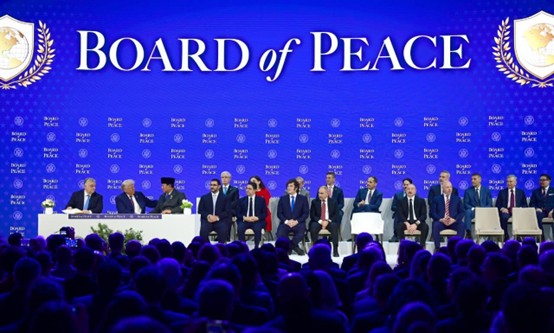
This article examines Indonesia’s participation in the Board of Peace...
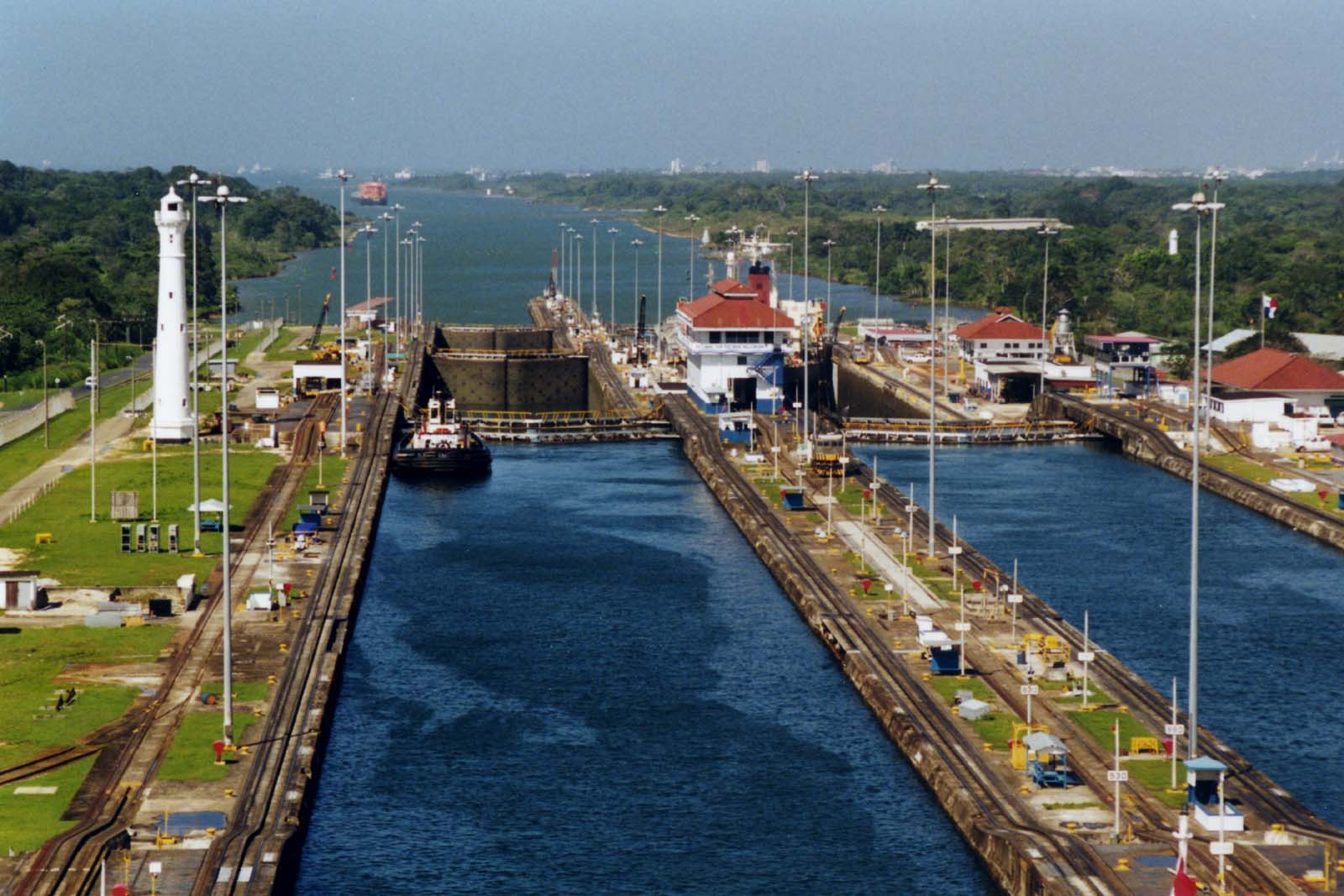
This article examines what the attempted sale of CK Hutchison's...
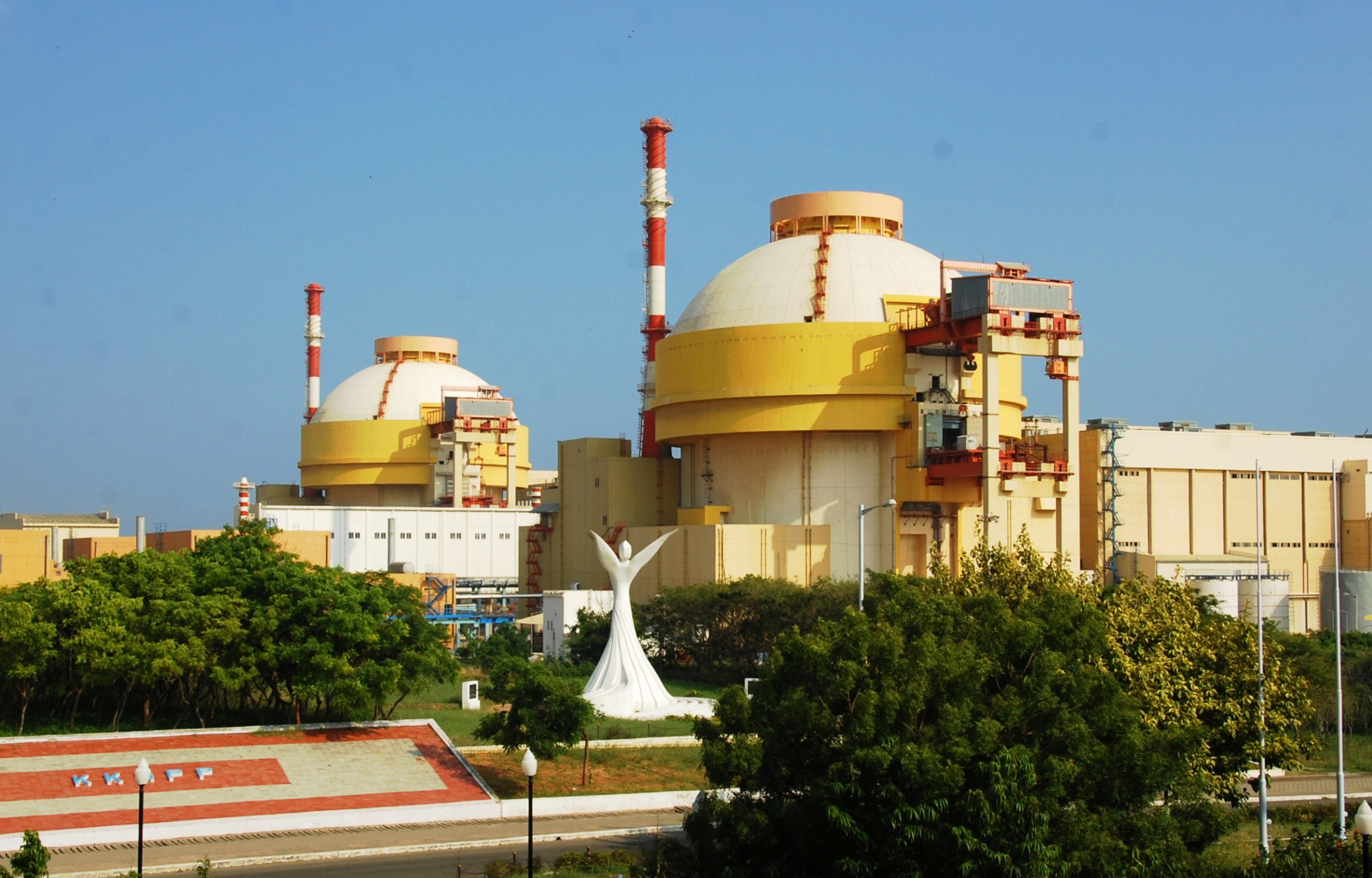
This article examines the Kudankulam Nuclear Power Plant as a...
This article examines Nepal’s strategic position within the Indo-Pacific and...



Leave A Comment