
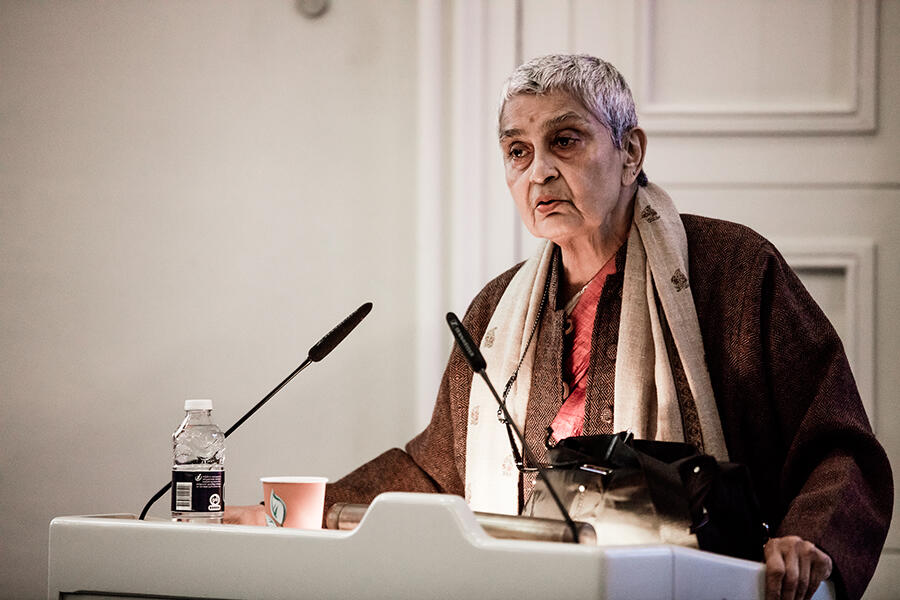
The world renowned postcolonial feminist Gayatri Chakravorty Spivak won acclaim and public praise for her socio-economic contributions by receiving the prestigious Holberg Award on 5th June 2025. The paper explains Spivak’s idea of strategic essentialism to show how marginalized groups might momentarily "essentialize" themselves to accomplish political objectives. Hence, she has propagated literary readings and interpretation strategies that transcend national and cultural borders while keeping power imbalances in mind. The paper uses critical essays as a strategic tool, and attempts to rewrite the ethical dimensions of critical theory, by critiquing the ‘essentialist’ underpinnings of subaltern studies. For Spivak, subaltern studies are inherently heterogenous and offers a fresh perspective to bridge the gender gap and thereby underscore the importance of women’s empowerment. Spivak stresses the need to shift away from globalization and towards ‘planetarity’, which respects ‘alterities with the other’ while at the same time acknowledging human interconnectedness.
The life of Spivak
Gayatri Chakravorty Spivak, a scholar and literary critic, was honored by Norway’s Crown Prince Haakon with the ‘2025 Holberg Prize Laureate’ for her contribution to political philosophy, postcolonial studies, cultural politics and feminist studies on 5th June 2025 at the University of Bergen. The Holberg Award, established by the University of Bergen in 2003, honours the most outstanding contributions to research in the fields of Arts and Humanities, Social Sciences, as well as Theology. The prize, which bears the name of Danish-Norwegian author and the philosopher Ludwig Holberg, is regarded as the Nobel Prize for the Humanities and Social Sciences'.
Known for her own brand of deconstructive criticism, Spivak is dubbed ‘interventionist’, she is an literature theorist, feminist critic, postmodern theorist, and literary analyst of Indian origin. She graduated from Presidency College, Calcutta in 1959 with a Bachelor of Arts in English. Thereafter, she relocated to the US to continue her education, graduating with an MA from Cornell University in 1962. She completed her doctoral studies at Cornell in 1967, specializing in the writings of Irish poet WB Yeats. Prior to joining Columbia University in 2007, she professed Comparative Literature at the Universities of Iowa, Texas, Pittsburgh, and Pennsylvania. Among her other accolades are the 'Modern Language Association's Lifetime Scholarship Achievement Award' (2018), 'Padma Bhushan' (2013), and the 'Kyoto Award in Art and Philosophy' (2012).
The critical theory acclaim: voice for subalterns
In her groundbreaking work, ‘Feminism and Critical Theory’, Spivak challenges the dominant paradigms of gender, power and representation. She examines the complexities of subjectivity and the limitations of language, by representing the notion of ‘interdisciplinary marginality’. She approaches Marxism through Jacques Derrida’s deconstructive philosophy and also challenges traditional notions of women in literary criticism. In effect, Spivak critiques an ‘essentialist notion’, which she contends, is essentially oblivious to the complexity and ambiguity of human situations in which women find themselves. Hence, she cautions against the perils of rigid identity categories.
Her work titled: ‘Can the Subaltern Speak?’ is considered to be a seminal contribution to postcolonial subaltern studies. As part of her deep interest in subaltern studies, Spivak expanded Antonio Gramsci’s understanding of the ‘subaltern’ by delving deeply into the role of women as marginalized groups in postcolonial societies. By emphasizing the need for “unlearning one’s privilege”, she enables the scope for greater cross-cultural and ethical learning. This is because marginalized voices of women tend to get silenced within global capitalism. This in turn, leads to cultural imperialism and the oppression and exploitation of women in the developing world. Spivak has been a social movement activist for more than thirty years, and is an affiliate of the "Subaltern Studies Collective." In this regard, she has established Pares Chandra and Sivani Chakravorty Memorial Foundation for Rural Education in 1997 when Lore Metzger pledged money towards the organization.
Gayatri Spivak has also focused on ‘subaltern women’ both within discursive practices and cultural institutions. It is not that subalterns like women, do not have a voice. Rather it’s just that such voices did not have an agency to make themselves heard, in the midst of the dominant discourse. Thereby, Spivak argues as a feminist critic that in India gender is fundamentally constructed via patriarchal law. Her pedagogical approach to cross-cultural understanding has encouraged the present generation of feminists to emphasize the historicity of women lineage. Spivak criticized ‘phallogocentric historical interpretation’ and charged ‘bourgeois’ Western feminists with working with global capitalism to subjugate and exploit women in developing nations. Moreover, the absence of democratic education has hampered the opportunities for rural womenfolk in India.
Deconstruction narrative for South Asians
Spivak recommends the need for a feminist perspective to deconstruction, by making subalternity central to her work. Her talk on Du Bois's "Vision of Democracy" on May 21, 2025 was intended to highlight the standards needed for a more equitable democracy that puts the rights of "other people" above one's individual pursuits. Spivak is also largely recognized as a major interpreter of Derrida’s ‘De la grammatologie’, considered to be revolutionary theories about deconstruction, phenomenology and structuralism. Her translation of Derrida’s book has captured the richness and complexity of the original version. She further delves into a post-Marxist perception of ‘the subaltern’ informed by the idea of deconstruction, which to her is an idea that is purely situational. Her attempt has been to retrieve a certain ‘subaltern consciousness’, by exploring the experiences of oppressed women. Hence, ignoring the subalterns, especially women in the postcolonial Commonwealth countries, poses an ethical dilemma to her.
She identifies herself with third world subaltern women’s movements, thereby identifying with the narratives of women in India. Even the ‘othering’ of the non-western women has resulted in the justification of British imperialism as a ‘social mission’. Spivak highlights the main legacies of colonialism. Her book ‘The Postcolonial Critic’, is a prominent work challenging the mainstream western dominant narrative and assumptions on feminism. Gender identity seems to be more a social construct, thereby having to focus on the cultural differences. Hence the third world narratives and experiences of women cannot be necessarily understood through the western histories and narratives. Critical differences in terms of class, caste, histories and struggles cannot be ignored. To quote Spivak: “The irreducible but impossible task is to preserve the discontinuities within the discourses of Feminism, Marxism and Deconstruction.” Spivak makes us pause and reflect. She continues to remain a ‘practical Deconstructionist, Feminist Marxist’.
India, an ideal setting for the construct of women empowerment has repeatedly advocated Spivak’s philosophy at global forums. The Commonwealth Secretariat is a testament to its vision to promote women's rights, gender equality, and empowering women in all social, political, and economic domains. India, as a member nation is offered technical support for capacity-building and skills-training programs, monitoring and evaluation, high-level advocacy, research, and knowledge creation. As a result, India sets the standard for achieving global agreement on the Commonwealth's top gender equality priorities. To achieve the Commonwealth's egalitarian priorities, the member states work focuses on important facets of human development which include: Gender and climate change; women's economic empowerment; eradicating violence against women and girls; the 2030 Agenda and Sustainable Development Goals; and national, regional, and international pledges to promote gender equality.
At present, one sees the rise of ‘Intersectional Cyberfeminism’ in India, where women have been subjected to online misogyny and digital divide. Thereby, the digital safe space has been tarnished since the rise of economic liberalization and the introduction of modern technology in the early 2000’s. India witnessed a cultural shift that placed a greater emphasis on women's rights, including freedom, choice, and independence. Due to the extensive use of social media, "fourth-wave feminism" emerged where technology's fusion with the physical world, completely changed the political, social, and economic landscape of the world.
Feminism beyond the borders
Feminism has historically been perceived through a limited Western perspective. In contrast to liberated Western feminists, "third world women in India" are frequently viewed as a victimized and "powerless" group, which hinders the growth of an inclusive, transnational feminist movement. Nonetheless, the feminist discourse broadens to incorporate the perspectives of previously marginalized groups as more women of various nationalities, races, classes, and cultures acquire digital access. This encourages feminism from a postmodernist and postcolonial standpoint, which accepts a variety of truths, roles, and realities as part of its focus and recognizes diversity within the movement. It is here, where postcolonial feminists like Spivak, tend to rely solely on their own set of values and see themselves as the saviours of other women. Their assumption of the existence of global sisterhood prevents them from realizing that discrimination against women in other countries is not always the same as it is in Western nations.
Quintessentially, Spivak’s feminist and postcolonial perspectives, has combined intellectual rigor with social responsibility, thereby redefining inclusivity in the cultural discourses. She emphasises the need for a shift away from globalization and towards ‘planetarity’, which respects ‘alterities with the other’ while acknowledging human interconnectedness. To Spivak, planetarity is a way of thinking about our relationship to the Earth, often in contrast to the globalising forces of capitalism. She stresses the importance of ethics, thereby the planet is perceived as a complex, interrelated system in both familiar and the unknown. She thereby highlights the pathbreaking perspectives of critical interrogations, by critiquing the essentialist underpinnings of subaltern studies. Thus, Spivak underscores the importance of skillfully integrating feminist and postcolonial thought, leading to a more nuanced and culturally sensitive feminist perspectives.
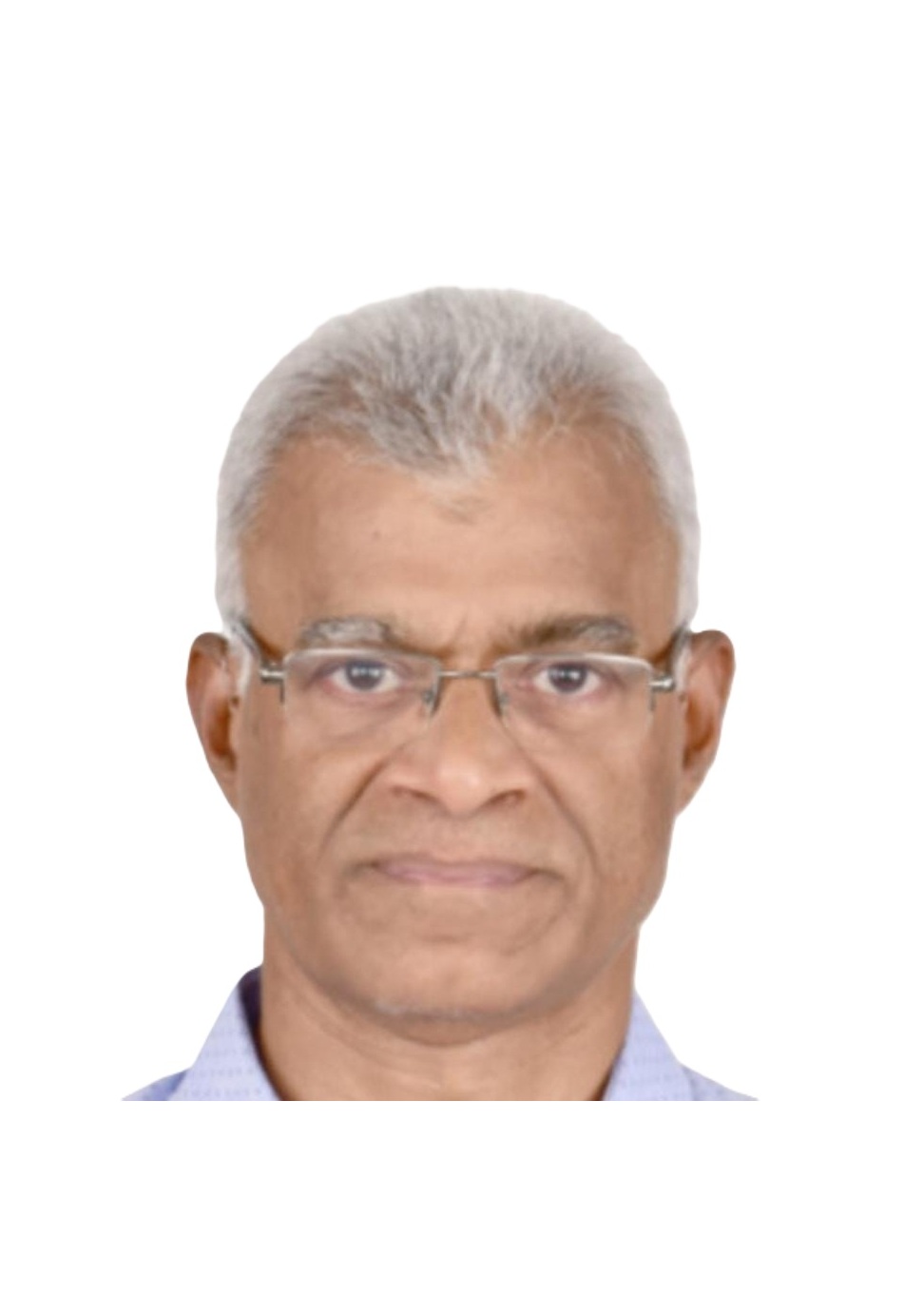
Dr. M.J. Vinod is a Professor in the Dept. of International Studies, Political Science, and History at CHRIST (deemed-to-be) University, Bangalore. He was a former Chairperson of the Dept. of Political Science and Dean, Bangalore University. He received his MA, M.Phil, and Ph.D. degrees from Bangalore University.
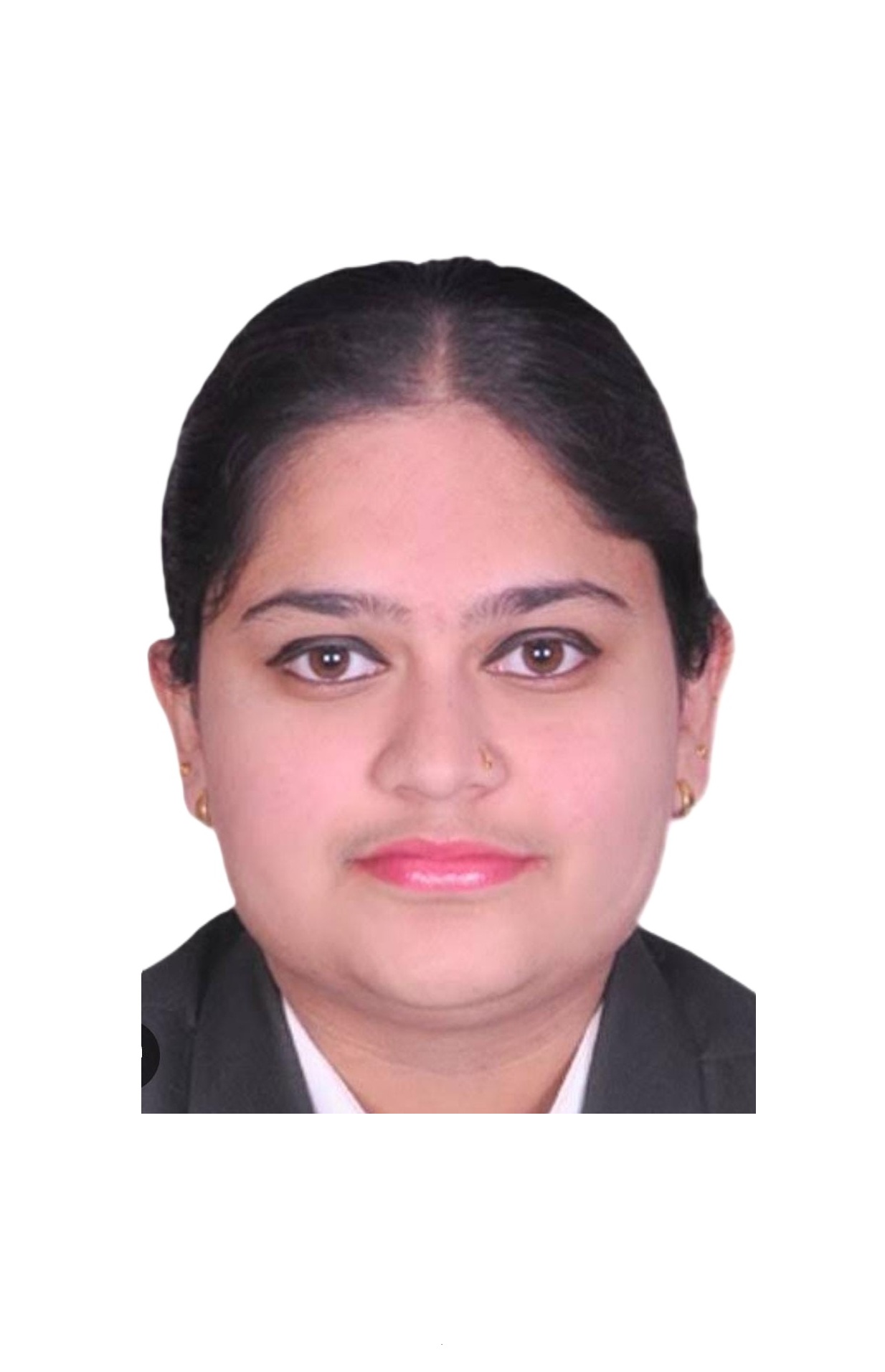
Dr. Lakshmi Karlekar is an Assistant Professor, Department of Humanities- Political Science and International Relations at M S Ramaiah College of Arts, Science and Commerce. She was also the former Research Fellow at the Department of International Studies, Political Science, and History at CHRIST (Deemed to be University). She has completed her Bachelor of Arts in History, Economics, and Political Science and Master of Arts in International Studies and secured 1st Rank in the University. Her Ph.D. thesis is based on the Comparative Analysis of China and the United States Geopolitical Energy Security Syndrome in Central Asia in the 21st Century.
This article argues that recurring disasters in Sumatra expose the...
This article explores Spivak's contribution to political and intellectual legacy....
This article critically examines Indonesia’s new capital project, IKN, which...
This article traces how Indonesia’s everyday teh botol and the...
This article examines how communities in Pekalongan, Indonesia, are responding...
This article analyses how to reorient Pakistan from a forgotten...
This article challenges the conventional view that all corruption is...
This article explores how interfaith iftar gatherings in Indonesia and...
This article examines the controversial election of Mahamoud Ali Youssouf...
This article examines how Iran employs Islam as a strategic...
Many people assume that religious authorities can more easily mobilize...
H.O.S. Tjokroaminoto, hailed as "The Uncrowned King of Java," was...
In Indonesia Menggugat, Sukarno delivers a searing indictment of colonial...








Leave A Comment