

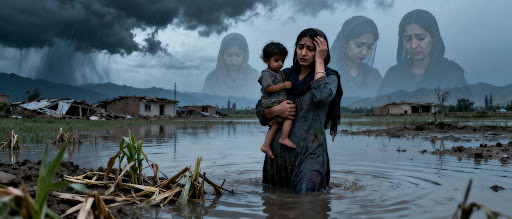
Climate change is commonly identified as one of the most urgent and critical issues facing the global community and most especially for Global South countries, those suffering the utmost of its effects because of a lack of financial and technological resources for adaptation. Despite their minimal contribution to global greenhouse gas (GHG) emissions, the Global South bears the brunt of climate impacts, from rising sea levels, extreme weather hazards to devastating droughts. Yet, international climate negotiations always embedded with inequities continue to hinder meaningful progress for these nations.
Since the adoption of the United Nations Framework Convention on Climate Change (UNFCCC) at the Rio Earth Summit in 1992, international climate agreements have embodied several principles, including the principle of common and differentiated responsibility. This principle recognizes the historical responsibility of developed nations, for most emissions, must take on greater obligations in solving the problem.
Afterward, the Kyoto Protocol (1997) embraced the idea of quantified targets which require industrialized nations to reduce their emissions by at least 5% compared to 1990 levels. However, it incorporated the possibility of using various flexibility mechanisms like the Clean Development Mechanism (CDM) that allow wealthier nations to offset emissions without addressing systemic global disparities.
The Paris Agreement of 2015, hailed as a landmark accord, sets ambitious targets for limiting the rise in global average temperature well below 2°C from pre-industrial levels and for continuing efforts to limit the rise in temperature to 1,5°C. Based on the foundation that each country must develop and implement its national strategy to combat climate change, nationally determined contributions (NDCs), this agreement vanished the distinctions between industrialized and developing countries, thus exacerbating inequities. Although this integration has marked progress, it has overlooked the significant capacity gap between nations, since many developing countries, already vulnerable to climate impacts, lack the resources and technological expertise to meet ambitious climate goals, leaving them at a disadvantage.
Climate negotiations are just one reflection of broader inequalities in global power dynamics. On the one hand, developed countries can easily leverage their economic and technological power to dominate discussions, while on the other, countries in the Global South still struggle to assert their priorities. For example, the United States, the European Union, and China collectively account for half of global GDP and are the largest financiers of climate change. They therefore wield considerable influence over the development of agreements.
Meanwhile, despite their coalitions, the fragmented interests of developing countries dilute their collective bargaining power. For instance, when island nations are advocating for harsh emission cuts, they face opposition from oil-exporting countries within the same coalitions whose interest is to keep selling oil, this creates internal divisions that weaken Global South’s negotiating position.
This disparity is exacerbated by the dependency of many developing countries on public aid and trade agreements with industrialized countries for good and service import. Fear of retaliation in those arenas often pushes weaker states into compromises, even at the cost of their interests. Considering all these limitations, the negotiation style of developing countries is therefore limited to making compromises or accommodating the desires of the powerful states.
These inequities have stark consequences in the Global South. Developing countries face escalating climate risks with extremely limited resources to adapt effectively. Economies in Africa, Asia and Latin America, which depend on agriculture, are particularly vulnerable to climate change. Small island developing states (SIDS) face existential threats from rising sea levels. Yet despite the moral and practical stakes, these nations struggle to secure adequate financial and technological support.
The $100 billion per year climate finance target set by developed countries has yet to be met, and many pledges have come with conditions that limit access to these funds. Moreover, while mechanisms like REDD+ appear to be opportunities for conservation finance, they often come with bureaucratic hurdles that exclude the most vulnerable communities. So, is it an endless abyss or a chimera?
To address these inequalities, the Global South needs to adopt a multi-pronged approach, including strengthening regional coalitions, which can improve collective bargaining power, but also building their capacities.
Inequality in climate negotiations is not just an ethical issue: it directly impedes global progress on climate change. If the structural disadvantages faced by developing countries are not addressed, existing global divisions will widen, making it even harder to achieve collective climate goals.
For the next climate summits, it is crucial to ensure that the voices of the Global South are not only heard but prioritized. Their perspectives must shape the debate, because climate justice is fundamentally a struggle for survival, dignity, and equal participation in decision-making that will shape our common future.
Note: This excerpt is from the article titled "Inequity in International Climate Change Negotiations" published in Nation State Journal of International Studies and is accessible here.

Nanda Silatsa Serge is a researcher focusing on International Environmental Politics, exploring global environmental governance and policy dynamics.
This article examines how the systemic failure of urban waste...
Indonesia is spending Rp 75.8 trillion (around US$4.7 billion) building...
This article analyzes climate vulnerability across Economic Community of West...
This article argues that addressing climate change in the Global...
This article examines Indonesia’s transition from reactive emergency disaster spending...
This article examines the DRC–Rwanda peace accord through the lens...
This article offers a comparative reflection on how Islam has...
This article examines how youth-led, digitally networked movements are reshaping...
This article examines why forest-based approaches remain critical for addressing...
This article exposes the injustice of Afghanistan’s exclusion from COP30...
This article highlights the significant emotional and mental health burden...
This article defines Code Green as a model of public...
This article analyzes how China’s ambitious green transition serves not...
This article traces how the 2025 UN General Assembly turned...
This article looks at how Indonesia’s provinces with extensive biodiversity...
This article examines how climate change and privatization intersect to...
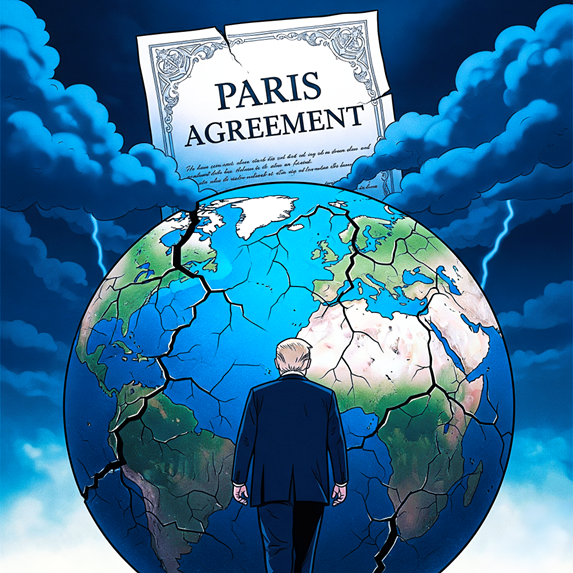
This article analyzes how Trump’s second time withdrawal from the...
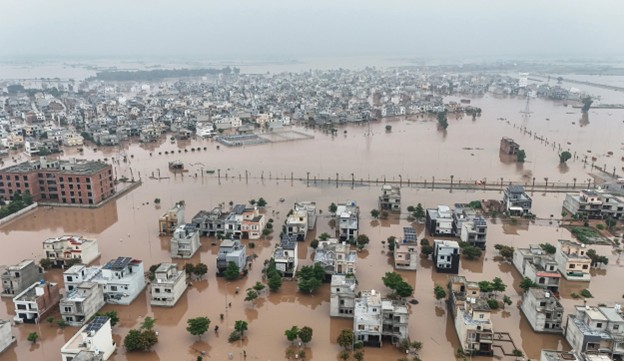
This article critically analyses Pakistan’s worst floods ranging from the...
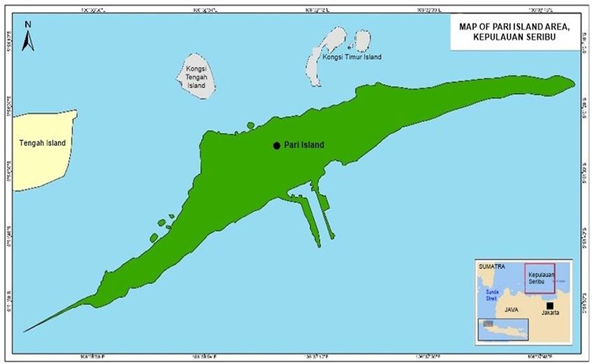
This article examines the climate vulnerabilities of Pari Island in...
This article traces how Pari Island in Jakarta’s Thousand Islands...
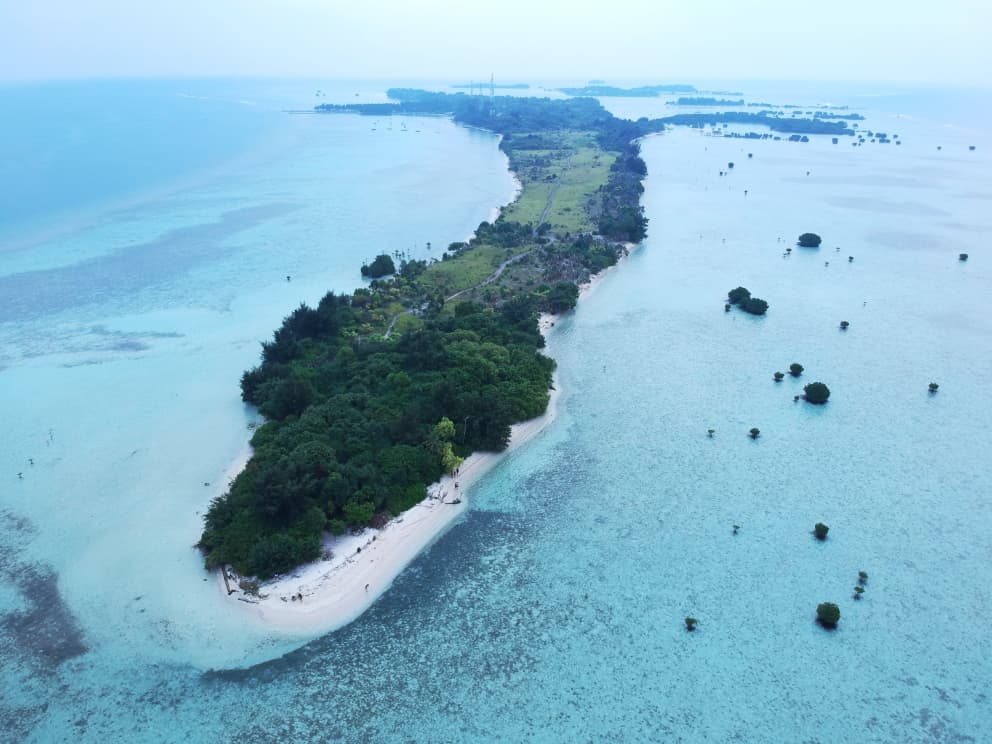
This article explores how ecotourism in Indonesia’s Thousand Islands generates...
This article compares how U.S. Presidents Joe Biden and Donald...
This article explores the devastating impact of human activities such...
This article critically examines the European Union’s Carbon Border Adjustment...





Leave A Comment