

In his first foreign policy speech last Friday, Foreign Minister Sugiono laid out President Prabowo Subianto 's vision for Indonesia’s foreign policy.
While reiterating Indonesia’s basic principle of free and active foreign policy, the foreign minister delivered subtle messages indicating that Indonesia would actively pursue domestic goals through foreign policy.
Gone are the days when Indonesia lacked active engagement in peacemaking efforts at the ASEAN or United Nations level. The new foreign minister brings a fresh approach, highlighting that Indonesia is a developing nation of the Global South and is part of the Group of Twenty (G20).
This is a realization of a unique role that Indonesia can play on the global stage to be a bridge between developing and developed nations. Indonesia can advance the shared interest for development among the Global South on various multilateral platforms, including the G20.
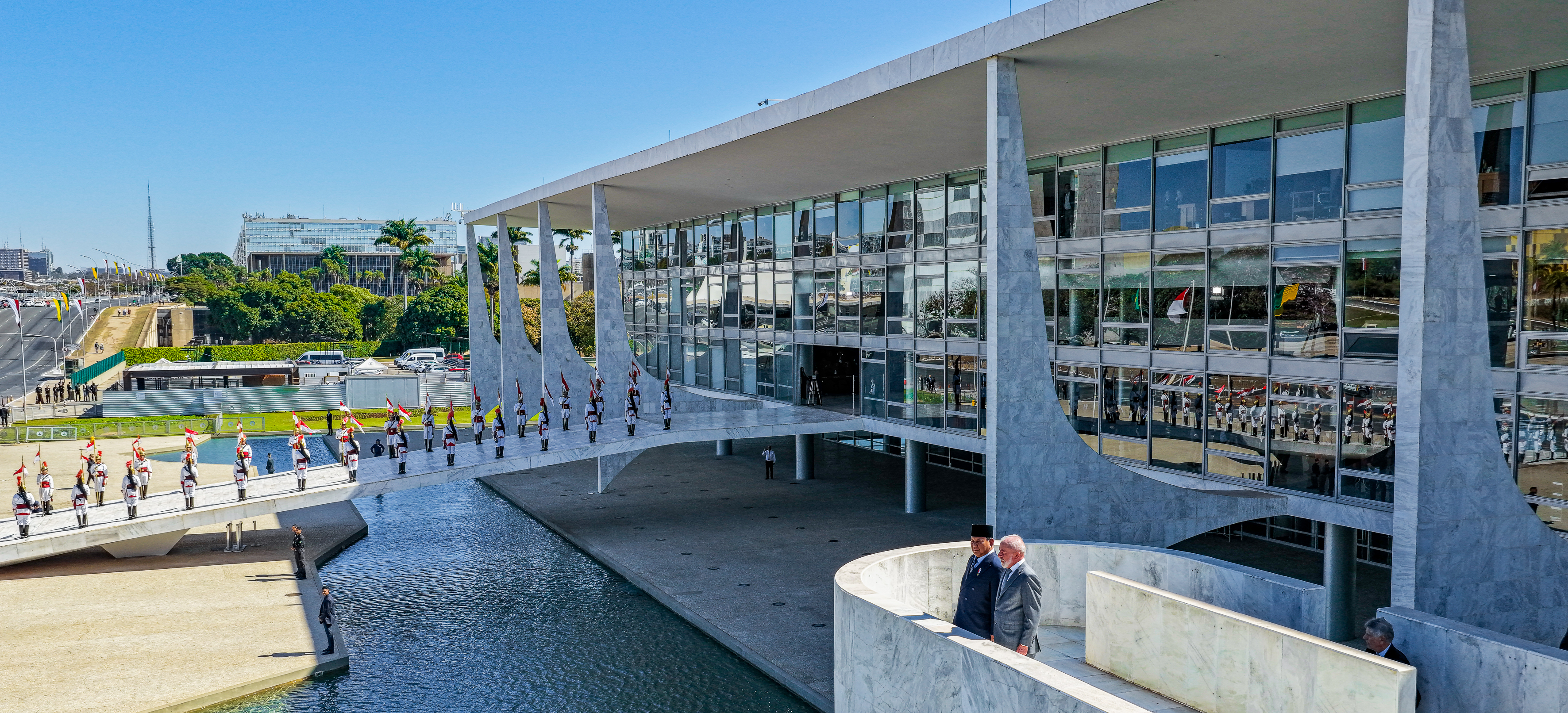
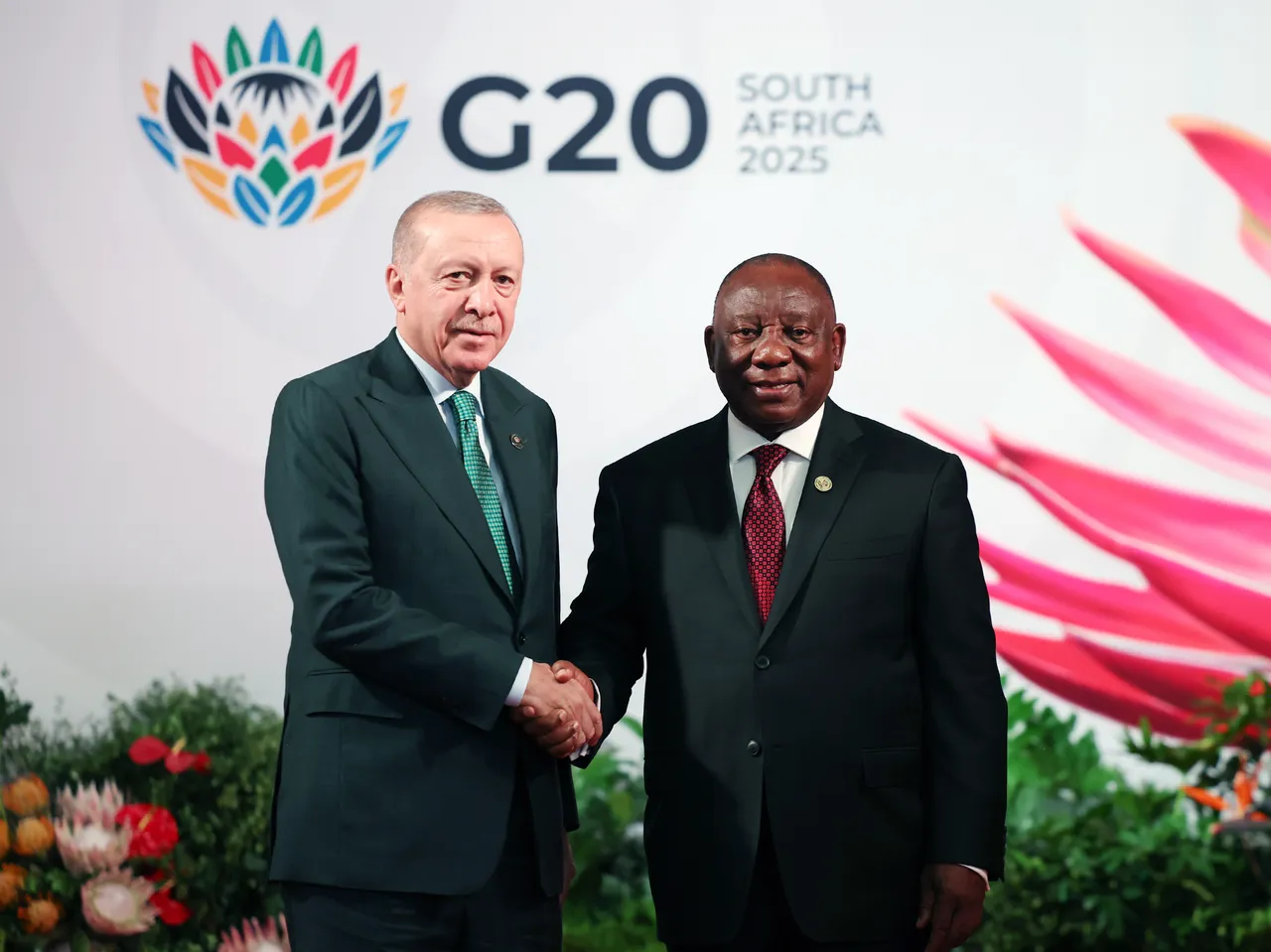
In the early days of his presidency, President Prabowo Subianto put the plan into action by embarking on working visits to the APEC and G-20 summits, which were hosted by developing countries in 2024.
As a result, concrete agendas that have been the core interests of developing countries were put high on the table of priorities at the two summits, including the issues of development, poverty, inequality and food security. Together with the hosts, Indonesia promoted these development agendas in forums that involved both developed and developing nations.
In several statements delivered during his overseas trips, President Prabowo emphasized that developing nations need to grasp their potentials to create economic prosperity.
In the D-8 Summit on Dec. 19, 2024, in Cairo, Prabowo reminded the grouping's leaders that the eight countries represent the third-largest economic bloc globally, with a combined gross domestic product of US4.81 trillion in 2023 and are predicted by Price Waterhouse Cooper to be among the 25 largest economies by 2050.
The D-8 Decennial Roadmap sets a goal of reaching $500 billion in trade value among member countries by 2030, a goal that seems to be within reach given that in 2020 the trade value already reached approximately $130 billion.
In his speech last week, Sugiono reiterated that Indonesia’s diplomacy and foreign policy should be implemented in line with domestic development priorities. He highlighted two main development priorities of the President: food security and the nationwide campaign of nutrition intervention through the free meals program.
The program is long-overdue for Indonesia as the country is 70 years behind South Korea, 80 years behind Japan and 30 years behind India in implementing such a program. While it is challenging for the Indonesian government to embark on such an ambitiously massive project across the archipelago, the return on investment could be substantial.
According to the School Meals Coalition, a multilateral platform with more than 100 member countries under the auspices of the World Food Program (WFP), school meal programs’ return of investment ranges from $7 to $35 for every $1 spent. The coalition also found that school meal programs create jobs, increase school attendance and learning and improve overall health. From a development financing perspective, school meal programs can also be used as in-kind cash transfers and as a social protection mechanism.
Also highlighted in the Foreign Minister’s speech was the continued development of the health sector. Learning from the COVID-19 pandemic, Indonesia is now determined to build the health sector through both the domestic and international fronts. Vaccine development requires investment in science and technology, while vaccine accessibility needs robust international cooperation.
The consistent narrative and messages delivered by the President and foreign minister from the APEC meeting in Peru to the G20 Summit in Brazil and D-8 Summit in Cairo, have shown that development has become one of the central themes of Indonesia’s foreign policy. It is part of a clear and long-term vision that foreign policy begins at home. Nevertheless, Indonesia and the Global South are not immune to the geopolitical tension between the United States and China.
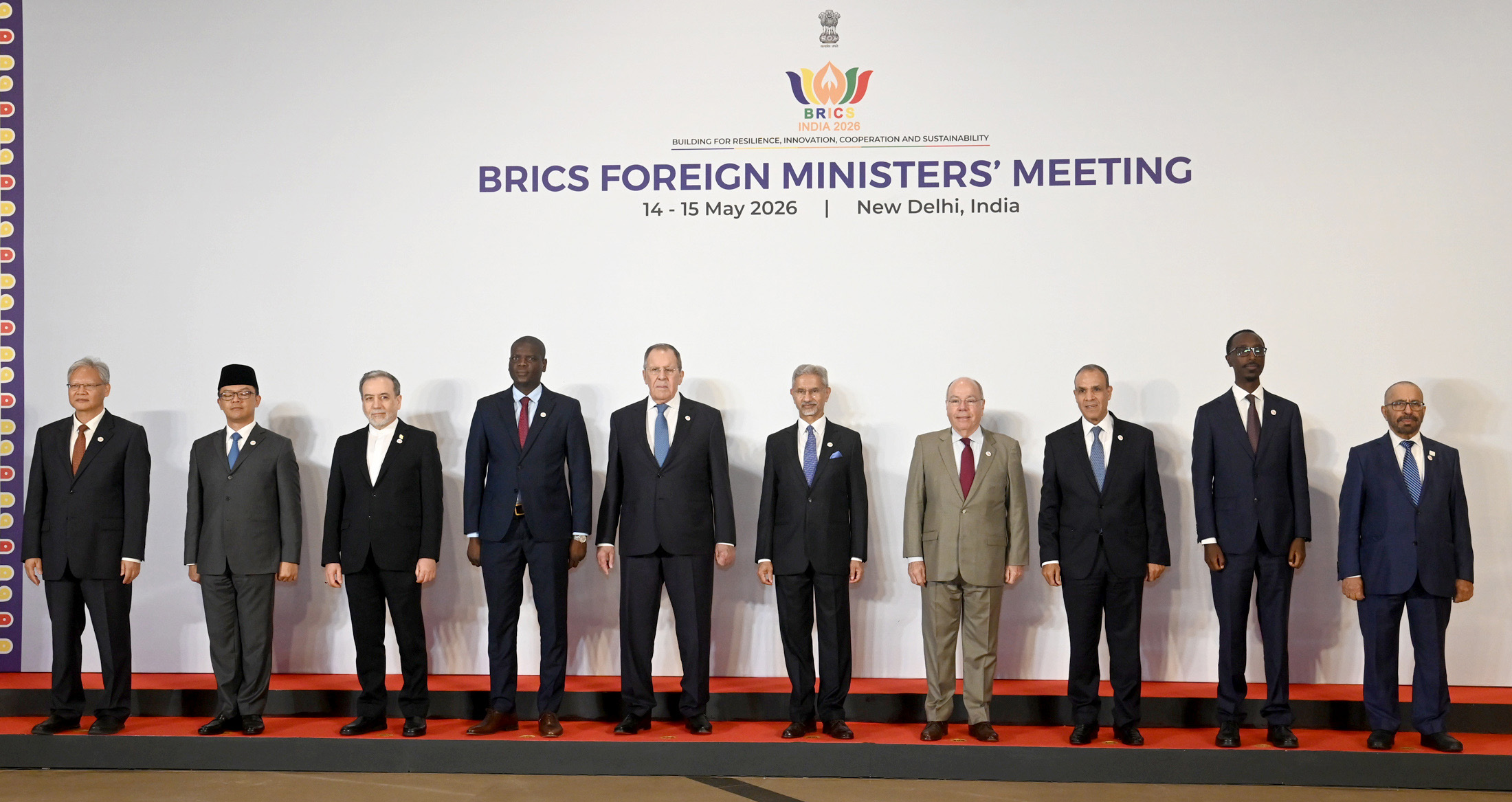
Conflicts are possible but avoidable. Indonesia will always transform conflicts into cooperation whenever possible as mandated by the Constitution. Conflicts are not in the best interest of Indonesia or other nations in the Global South that are currently seizing the momentum for development. In this regard, joining BRICS serves two objectives for Indonesia.
First, like Indonesia’s membership in many other international platforms, it should be seen as the country’s continued effort to diversify sources of development, trade, investment and market.
Second, acknowledging the fact that some BRICS members’ interests contradict with those of the US, Indonesia intends to maintain robust engagement with the US. More importantly, Indonesia intends to maintain its strategic autonomy to engage with countries that best serve the country’s national interests.
Therefore, BRICS is another platform for Indonesia to achieve its economic goals like other multilateral platforms of which Indonesia has been an active and responsible member. The Foreign Minister's speech is also a reminder that Indonesia has long been an active and consistent advocate for peace and cooperation, backed by the fact that the country is the fifth largest contributor to UN peacekeeping operations worldwide.
In ASEAN, Indonesia is the primus inter pares to the peace and security of the region, acting as an honest interlocuter amid conflicts in Southeast Asia. As such, Indonesia together with other ASEAN members will relentlessly seek answers to the challenging situations and ongoing problems that the region faces, including the war in Myanmar and tension around the South China Sea.
As quoted by the foreign minister in the speech, the efforts are in line with Prabowo’s prime directive to Indonesian foreign policy: “...that prosperity can only come from peace. Peace comes from understanding. And understanding comes from engagement and negotiation.”
Note: Another version of this article has been published at the Jakarta Post and is accessible here

Dr. Philips J. Vermonte is the Dean of the Faculty of Social Sciences at Universitas Islam Internasional Indonesia (UIII). Before joining UIII, he served as the Executive Director of the Centre for Strategic and International Studies (CSIS) Indonesia and as Chairman of the Indonesian Pollsters Association (Persepi). A Fulbright scholar, he earned his Ph.D. in Political Science from Northern Illinois University, USA. He currently serves as the presidential spokesperson on foreign policy.
In this article, Aniello Iannone critically evaluates the ten-year trajectory...
The global order is moving beyond rigid bloc politics toward...
In this article, Luo Chen Jun highlights a striking historical...
In this article, Muhamad Ferdy Firmansyah highlights how climate technology...
In his latest article, Aniello Iannone examines the gap between...
This article analyzes Indonesia's ambitious military modernization through its strategic...
DeepRare is being hailed as a major breakthrough in the...
This article analyzes President Prabowo’s decision to skip the June...
This article analyzes the phenomenon of "sibling rivalry" at the...
This article evaluates the normative frameworks offered by China’s four...
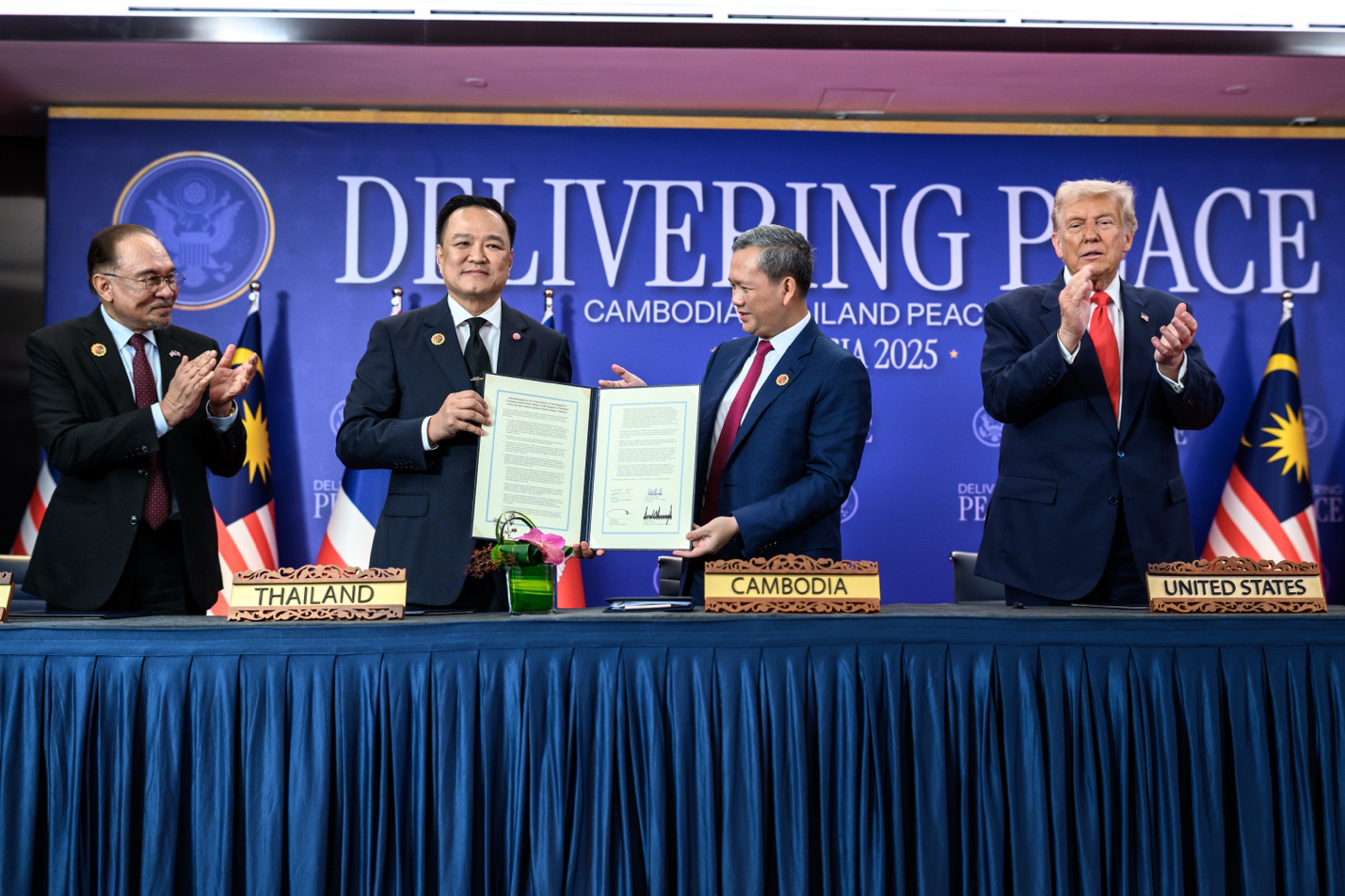
This article examines the 2025 Thailand–Cambodia border conflict to evaluate...
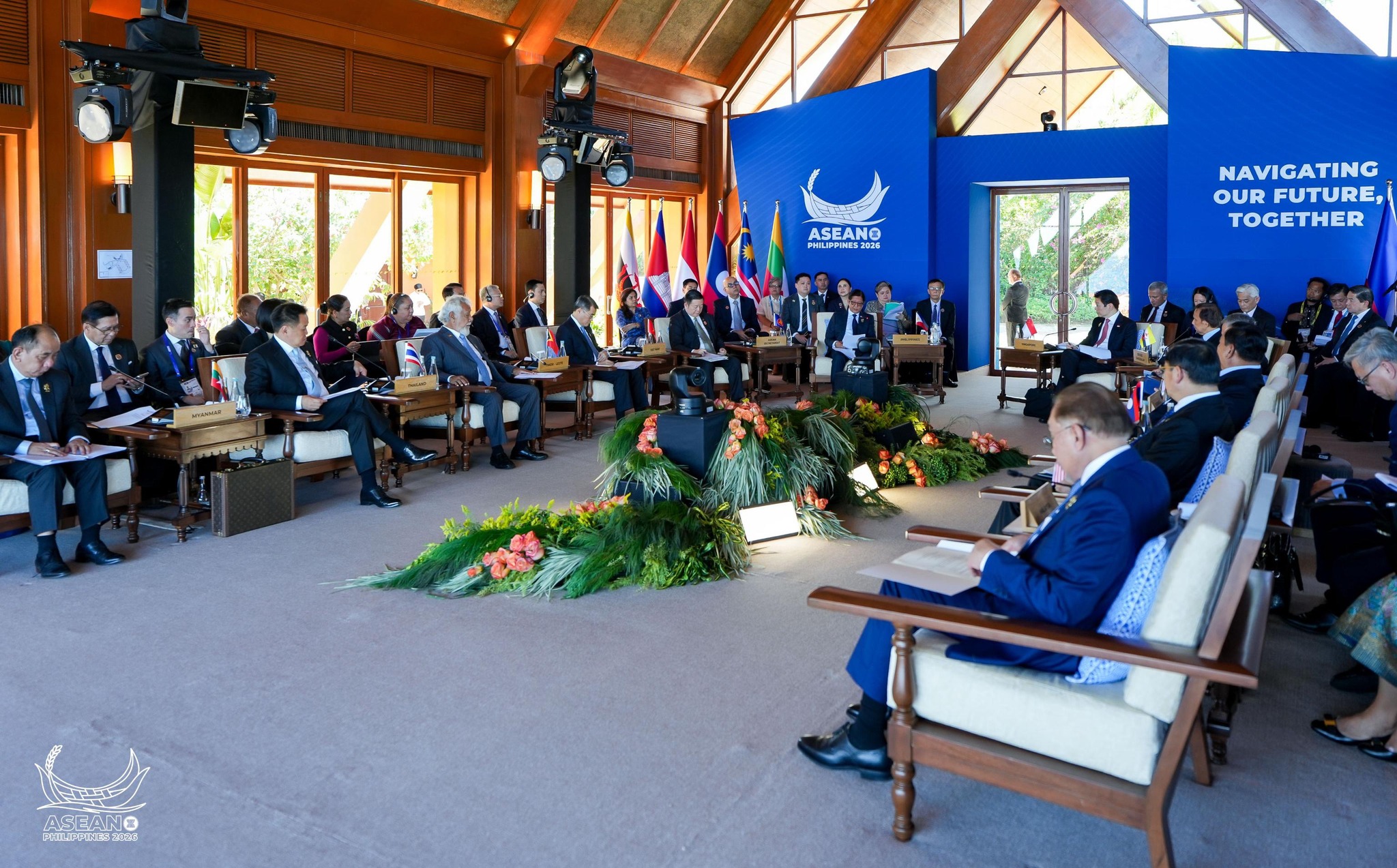
This article examines the May 2026 ASEAN Summit in Cebu...
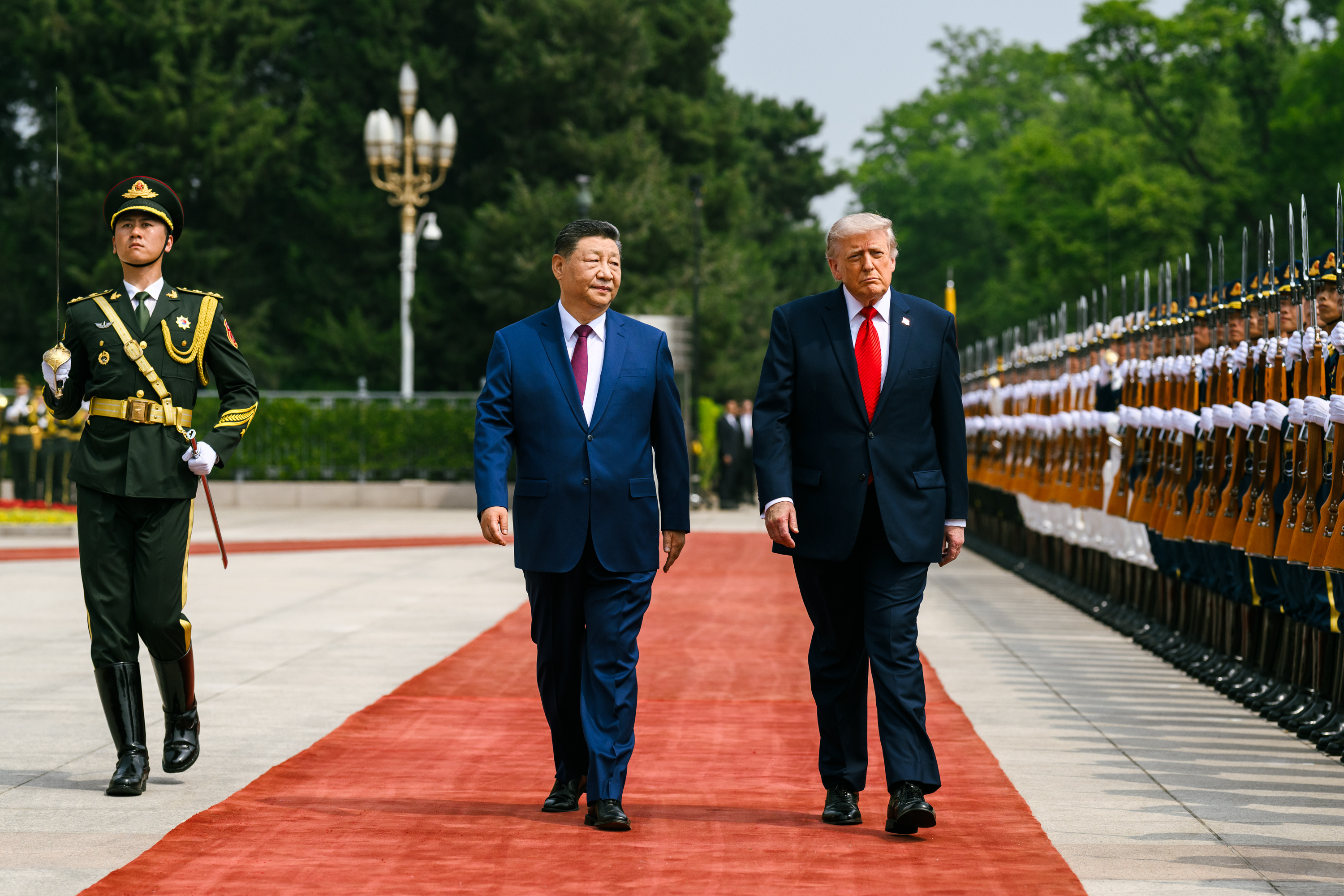
This article examines the May 2026 Beijing summit between Xi...
This article examines how the rise of narcissistic foreign policy—exemplified...
In October 2025, Indonesia's President Prabowo Subianto announced that Portuguese...
This article argues that recent U.S.–Israel military actions against Iran...
This article examines Türkiye’s evolving "Third Way" in Africa, an...
This article critically examines Indonesia’s evolving role from a quiet...
This article provides a firsthand account of how Pakistan emerged...
This article examines how disruptions in the Strait of Hormuz...
This article examines Indonesia’s participation in the Board of Peace...
This article examines what the attempted sale of CK Hutchison's...
This article examines the Kudankulam Nuclear Power Plant as a...
This article examines Nepal’s strategic position within the Indo-Pacific and...



Leave A Comment